How onchain crypto loans work
An onchain crypto loan lets you borrow stablecoins or fiat by locking up digital assets as collateral. You keep ownership of the underlying token, which means you avoid the taxable event that would trigger if you sold your holdings outright. This structure is useful for liquidity without losing market exposure, but it introduces specific risks tied to the volatile nature of the collateral.
The process starts when you connect a wallet to a lending protocol. You deposit assets like Bitcoin or Ethereum into a smart contract, which then calculates your borrowing power based on a loan-to-value (LTV) ratio. For example, if the LTV is 50%, depositing $10,000 in ETH might allow you to borrow $5,000 in USDC. The smart contract automates the entire lifecycle: disbursement, interest accrual, and repayment.
Interest rates are dynamic, often determined by the supply and demand for specific assets within the protocol. Unlike traditional banks, these rates can shift rapidly based on market conditions. If the value of your collateral drops below a certain threshold, the protocol may trigger a liquidation, selling your assets to cover the loan. This makes understanding the liquidation threshold and maintaining sufficient collateral essential for managing onchain debt safely.
Onchain crypto loan choices that change the plan
Borrowing against crypto lets you access liquidity without selling your assets, which helps you avoid immediate capital gains tax events and maintain market exposure. However, the structure of these loans introduces specific risks that differ from traditional bank lending. Understanding the mechanics of collateralization, interest rates, and liquidation thresholds is essential before committing digital assets.
The core tradeoff revolves around liquidity versus risk. You retain ownership of your token, but you lock it up. If the market moves against your position, you face the risk of liquidation where your collateral is sold to cover the loan. Below is a comparison of the primary onchain lending models available in 2026, highlighting their structural differences.
| Model | User Control | Rate Type | Liquidation Risk | Best Use Case |
|---|---|---|---|---|
| Overcollateralized (DeFi) | High (Self-custody) | Variable/Market-driven | High (if collateral drops) | Long-term holders seeking liquidity |
| Undercollateralized (Credit) | Low (KYC required) | Fixed/Algorithmic | Medium (Credit score based) | Established users with off-chain income |
| Flash Loans | None (Atomic) | Fee-based | None (Must repay in same block) | Arbitrage and complex DeFi strategies |
Overcollateralized Lending
This is the most common onchain model, used by protocols like Aave and Compound. You deposit crypto (e.g., BTC or ETH) as collateral to borrow stablecoins. The key tradeoff here is efficiency versus safety. You must deposit more value than you borrow (often 150-200% LTV) to protect lenders. This means your capital is less efficient, but your assets remain in your wallet until a forced liquidation. Rates fluctuate based on supply and demand. This model suits those who want to hold their crypto long-term while accessing cash.
Undercollateralized Lending
Some platforms offer loans without locking all collateral, relying instead on credit scores or off-chain income verification. The tradeoff is convenience versus privacy. You get better capital efficiency (borrowing more against less collateral), but you must undergo KYC (Know Your Customer) checks. This removes the "non-custodial" advantage of DeFi. If you default, your credit score suffers. This model is better for users who need larger loan sizes relative to their holdings and don't mind sharing identity data.
Flash Loans
Flash loans allow borrowing without collateral, provided the loan is repaid within the same blockchain transaction block. The tradeoff is complexity versus cost. There is no interest rate in the traditional sense; you pay a protocol fee. However, you cannot hold the funds overnight. If the transaction fails, the loan reverts as if it never happened. This is exclusively for advanced DeFi users executing arbitrage or collateral swaps, not for personal cash flow needs.
How to choose the right onchain crypto loan
Borrowing against crypto lets you access liquidity without triggering a taxable sale or abandoning your market exposure. The landscape splits into two distinct models: centralized exchanges (CEX) and decentralized finance (DeFi) protocols.
CEX loans offer speed and simplicity. Platforms like Coinbase or Binance let you deposit assets and borrow against them in minutes. This is the fastest way to get cash, but it requires trusting a single company with your keys. DeFi loans, built on blockchains like Ethereum or Solana, remove the middleman. You interact directly with smart contracts, keeping custody of your assets. This path offers more control and privacy but demands a steeper learning curve and higher gas costs.
Your decision depends on how you balance convenience against security. If you need immediate funds for a short-term need, a CEX loan is often the most practical choice. For long-term holders who prioritize self-custody and want to avoid platform risk, DeFi lending protocols are the better fit.
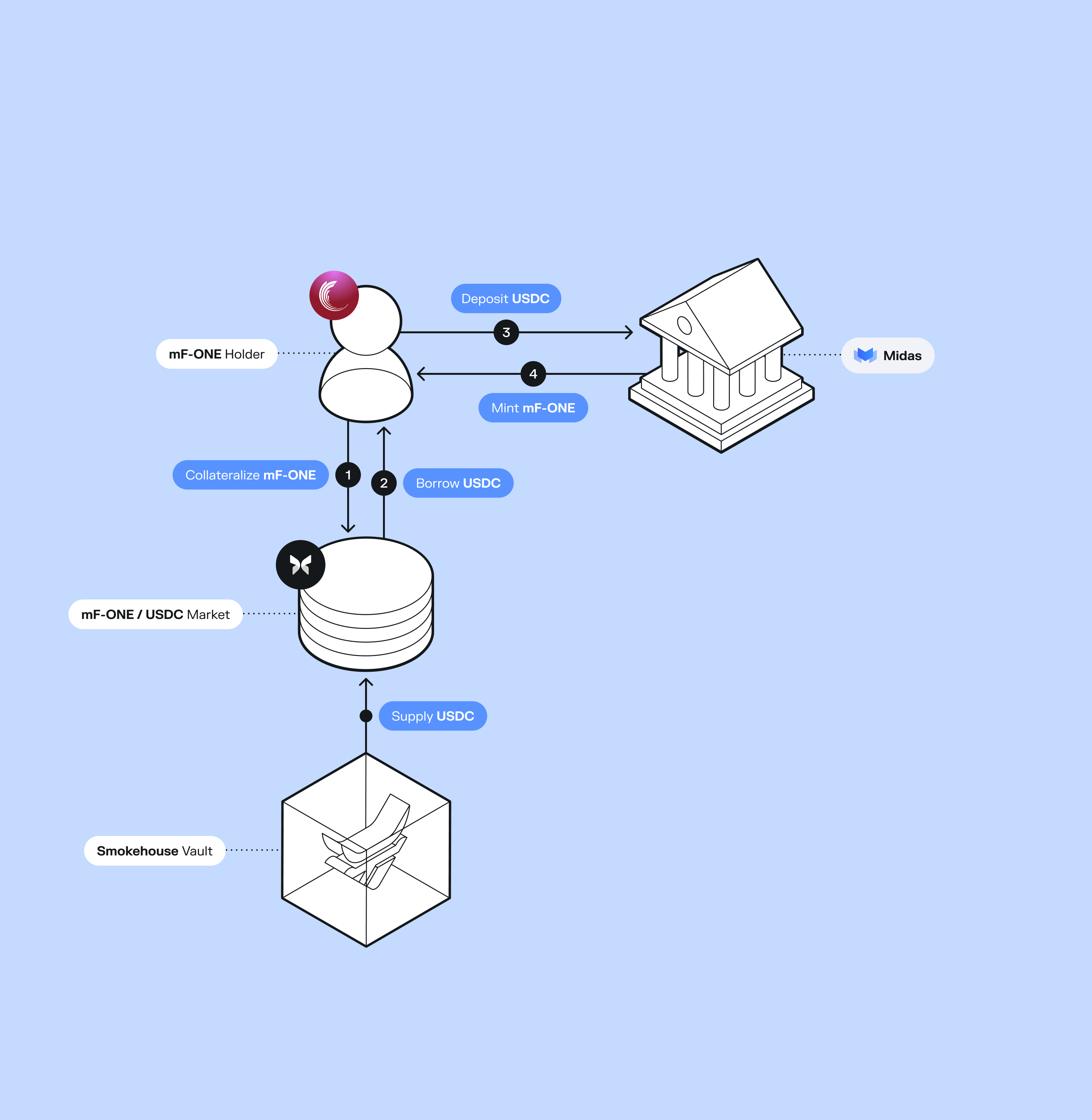
Before applying, determine exactly how much capital you need and for how long. Onchain loans are typically short-term liquidity tools. Calculate the loan-to-value (LTV) ratio carefully; borrowing too much against volatile assets risks a liquidation event if prices drop.

Decide between a centralized exchange or a decentralized protocol. CEXs provide a familiar, user-friendly interface with customer support. DeFi platforms require a Web3 wallet and offer non-custodial security. Compare interest rates, collateral requirements, and supported assets across both types.

For CEX loans, follow the platform’s deposit and borrowing workflow. For DeFi, connect your wallet to a reputable lending protocol like Aave or Compound. Review the smart contract terms, ensure you have enough gas fees for the transaction, and confirm the collateralization ratio before finalizing.


As an Amazon Associate, we may earn from qualifying purchases.
| Feature | CEX Loan | DeFi Loan |
|---|---|---|
| Custody | Platform holds keys | You hold keys |
| Speed | Minutes | Minutes to Hours |
| Privacy | KYC Required | No KYC |
| Risk | Platform insolvency | Smart contract bugs |
Crypto loan comparison: CEX vs. DeFi
The choice between centralized and decentralized crypto loans comes down to a trade-off between convenience and control. CEX loans are akin to a traditional bank loan: fast, regulated, and easy to use, but you must trust the institution. DeFi loans are like a peer-to-peer transaction: you retain full control of your assets, but you are responsible for managing the technical risks yourself.
For most retail investors, the simplicity of a CEX loan outweighs the benefits of self-custody, especially for small, short-term loans. However, if you are managing significant assets or are concerned about platform risk, DeFi lending protocols offer a robust alternative. Always verify the protocol’s audit history and total value locked (TVL) before committing funds.
Spotting Weak Crypto Loan Options
Many lenders advertise "no credit check" or "instant approval" to attract borrowers, but these terms often hide steep penalties or restrictive collateral requirements. Before committing to a crypto-backed loan, you need to separate marketing fluff from actual infrastructure reliability. The best platforms prioritize transparent liquidation thresholds and clear fee structures over speed.
The Hidden Cost of "Zero-Check" Lending
Loans that skip traditional underwriting usually compensate with higher interest rates or lower loan-to-value (LTV) ratios. While convenient, these options leave you vulnerable to rapid liquidation if the market dips. Always check the platform's historical liquidation data to see how they handle volatility spikes.
Infrastructure Reliability Matters More Than Speed
A fast loan is useless if the platform cannot process withdrawals during high network congestion. Look for lenders with proven uptime records and multi-chain support. If a platform lacks clear documentation on how it handles oracle price feeds, treat it as a red flag.
Decision Checklist
- Check LTV ratios: Lower is safer but reduces borrowing power.
- Verify liquidation logic: Ensure it matches your risk tolerance.
- Review fee transparency: Hidden admin fees erode yield.
- Test withdrawal speed: Simulate a withdrawal before locking assets.
Avoid platforms that cannot provide a clear, audited smart contract address or lack a responsive support channel for emergency situations.
Onchain crypto loan: what to check next
Crypto-backed loans let you borrow against digital assets without selling, avoiding taxable events while maintaining market exposure. You deposit collateral like Bitcoin or Ethereum into a smart contract and receive stablecoins or other assets in return. This mechanism provides liquidity without triggering a capital gains tax event, allowing you to access cash while keeping your underlying holdings intact.
How does a crypto loan work?
You deposit cryptocurrency as collateral into a lending protocol or platform. The system calculates the loan-to-value (LTV) ratio based on the asset's volatility. You then borrow against this collateral, typically receiving stablecoins. If the value of your collateral drops below a certain threshold, you face liquidation, where the protocol sells your assets to repay the loan. This process is automated and requires no credit checks or personal information.
Can I borrow money from my crypto?
Yes. You can borrow against your crypto holdings by using them as collateral. This is distinct from crypto lending, where you lend your assets to earn interest. Borrowing allows you to access liquidity for personal use, trading, or other investments while retaining ownership of your original crypto assets. The borrowed funds are usually in stablecoins to minimize volatility risk for the borrower.
What is the best crypto loan?
There is no single "best" loan; the right choice depends on your priorities. Decentralized platforms like Aave or Morpho offer anonymity and flexibility with no fixed repayment dates, making them ideal for traders who want to avoid selling. Centralized platforms may offer higher loan amounts and lower rates but require KYC verification. Consider factors like interest rates, LTV ratios, and the stability of the collateral asset.
Can I borrow a loan on crypto?
The phrasing is slightly redundant, but the intent is clear: yes, you can take out a loan using crypto as security. You do not need a credit score or income verification. The loan is secured entirely by the value of the crypto you deposit. However, you must monitor the market closely. A sharp drop in the price of your collateral can lead to automatic liquidation, resulting in the loss of your assets.
No comments yet. Be the first to share your thoughts!