Why onchain crypto loan strategy matters now
The onchain crypto loan strategy has shifted from a niche experiment to a primary yield engine for institutional capital. In 2026, the landscape is no longer defined by simple, static lending pools. Instead, sophisticated protocols are layering AI-driven risk models over decentralized credit markets, allowing for dynamic pricing that reacts to real-time liquidity flows.
This evolution addresses the core limitation of traditional crypto lending: volatility. By integrating automated yield optimization and AI-assisted collateral management, lenders can now capture higher returns while mitigating the liquidation risks that plagued earlier iterations of the market. The result is a credit environment that functions more like a hedge fund than a bank vault.
Market intelligence from Coinbase Institutional highlights that most onchain lending markets now utilize variable interest rates tied to liquidity utilization thresholds. This means rates fluctuate based on demand, rewarding capital providers during peak usage and adjusting downward when liquidity is abundant. This mechanism ensures that yield remains competitive without exposing lenders to the static, often unsustainable rates of the past.
To understand the scale of this growth, it is helpful to look at the total value locked (TVL) in DeFi lending protocols. The chart below illustrates the trajectory of capital deployment over the last 12 months, reflecting the increasing confidence of institutional players in these AI-enhanced credit structures.
Core components of an onchain crypto loan strategy
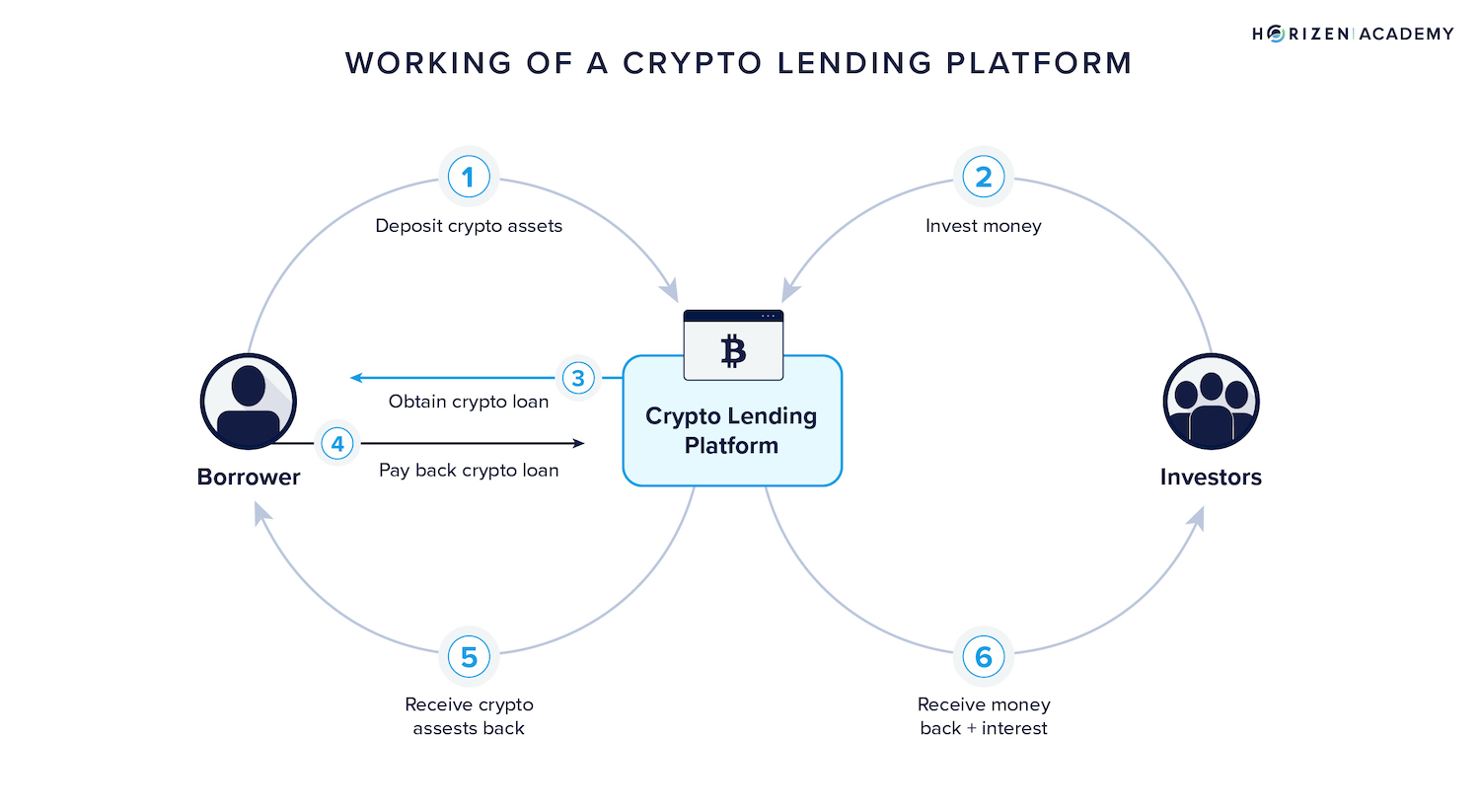
Onchain lending works by locking digital assets as collateral to borrow stablecoins or other tokens. This structure lets you access liquidity without selling your holdings, which avoids triggering immediate taxable events and keeps your market exposure intact. However, it introduces smart contract risk and liquidation hazards that traditional finance does not carry in the same way.
Collateral selection
Not all assets make good collateral. Protocols typically accept major cryptocurrencies like Bitcoin (BTC) and Ethereum (ETH) because they have deep liquidity and predictable price movements. Altcoins are often excluded or accepted at much lower values because their prices swing wildly, increasing the risk that the collateral will lose value faster than the loan can be repaid. Always check which assets a protocol supports before planning your strategy.
Loan-to-value (LTV) ratios
The Loan-to-Value (LTV) ratio determines how much you can borrow against your collateral. It is expressed as a percentage; for example, a 70% LTV means you can borrow $70 for every $100 of collateral. Higher LTVs mean you get more cash but leave less buffer against price drops. If the value of your collateral falls below a certain threshold, the protocol will liquidate your position to cover the loan, often at a penalty. Conservative LTVs (50-60%) are safer for volatile markets, while aggressive LTVs (>80%) are risky and require constant monitoring.
Interest rate models
Interest rates on onchain loans are not fixed. They are determined by supply and demand algorithms within the protocol’s smart contracts. When many users are borrowing a specific asset, rates rise to encourage lenders to deposit more capital. When demand is low, rates drop. Some protocols offer stable rates for longer-term loans, while others use variable rates that change block-by-block. Understanding these models is essential for calculating your true cost of borrowing.
| Protocol | Max LTV | Rate Model |
|---|---|---|
| Aave | ~75% (ETH) | Variable |
| Morpho | ~80% (ETH) | Variable/Optimized |
| Compound | ~70% (ETH) | Variable |
Integrating AI for Yield Optimization
Onchain crypto loans are no longer static contracts set in stone. By integrating AI infrastructure, borrowers and lenders can dynamically adjust parameters to maximize yield and minimize risk. This approach moves beyond simple interest rates, using real-time data to predict market shifts and optimize loan-to-value (LTV) ratios automatically.
AI tools analyze vast amounts of market data to identify the most efficient liquidity pools. Instead of manually monitoring multiple protocols, algorithms can rebalance positions to capture higher yields while keeping collateralization levels safe. This automation reduces the cognitive load on borrowers and ensures that capital is deployed where it performs best.
Predicting liquidation risks is another critical function of AI in onchain lending. Machine learning models can forecast volatility spikes and adjust risk parameters before they become critical. For example, if a borrower’s collateral asset shows signs of increased volatility, the system might proactively suggest additional collateral or a partial repayment to maintain a healthy LTV ratio. This proactive management helps avoid forced liquidations, which can result in significant losses.
The integration of AI also enhances credit scoring onchain. By analyzing transaction history and wallet behavior, AI can generate more accurate onchain credit scores. This transparency allows lenders to offer better terms to reliable borrowers, fostering a more efficient and inclusive onchain credit market. As these technologies mature, the ability to leverage AI for yield optimization will become a standard practice for sophisticated onchain borrowers.

Manage liquidation, contract, and volatility risks
Onchain lending offers liquidity without selling your assets, but it introduces risks that traditional finance rarely exposes to retail borrowers. The primary danger is liquidation. If the value of your collateral drops below a protocol’s threshold, the system automatically sells your assets to cover the loan. This happens instantly, often at the worst possible market moment, leaving you with a smaller portfolio and no debt relief. To avoid this, maintain a healthy loan-to-value (LTV) ratio and keep a buffer against sudden market dips.
Smart contract vulnerabilities present a second, more technical risk. Unlike banks, DeFi protocols are open-source codebases. Bugs or exploits in the code can lead to total loss of funds. Always verify that the protocol you are using has undergone multiple independent audits from reputable firms. Check the audit reports themselves rather than relying on the protocol’s marketing. Reputable sources like Aave provide transparent documentation on their security measures and audit history, which should be your first point of reference.
Market volatility is the third major factor. Crypto prices can swing 10% or more in a single day. This volatility makes it difficult to predict your collateral requirements. A stablecoin loan might seem safer, but it still carries smart contract risk. A volatile asset loan offers higher potential yields but requires constant monitoring. The best strategy is to treat your crypto loan as a active position, not a set-and-forget investment. Monitor your health factor regularly and be prepared to add collateral or repay part of the loan if the market turns.
Before taking out any onchain loan, run through a quick risk assessment. Ensure your collateral is in a secure wallet, verify the protocol’s audit status, and calculate your liquidation price. This simple checklist can prevent costly mistakes and keep your borrowing strategy sustainable.
Executing your onchain crypto loan strategy
Setting up a crypto-backed loan is straightforward, but managing it requires discipline. You are essentially borrowing against your digital assets, which lets you access liquidity without selling and triggering a taxable event [src-serp-6]. However, this leverage introduces liquidation risk if the market moves against you.
Start by selecting a reputable onchain lending platform. Look for protocols with high total value locked (TVL) and transparent audit histories. Major options include Aave, Compound, or dYdX. Ensure the platform supports the specific asset you plan to use as collateral.
Connect your wallet and deposit your chosen digital asset—such as Bitcoin, Ethereum, or stablecoins—into the protocol’s smart contract. This asset serves as the security for your loan. Be aware that the platform will calculate your borrowing power based on the asset’s current market price and the protocol’s specific loan-to-value (LTV) ratio.
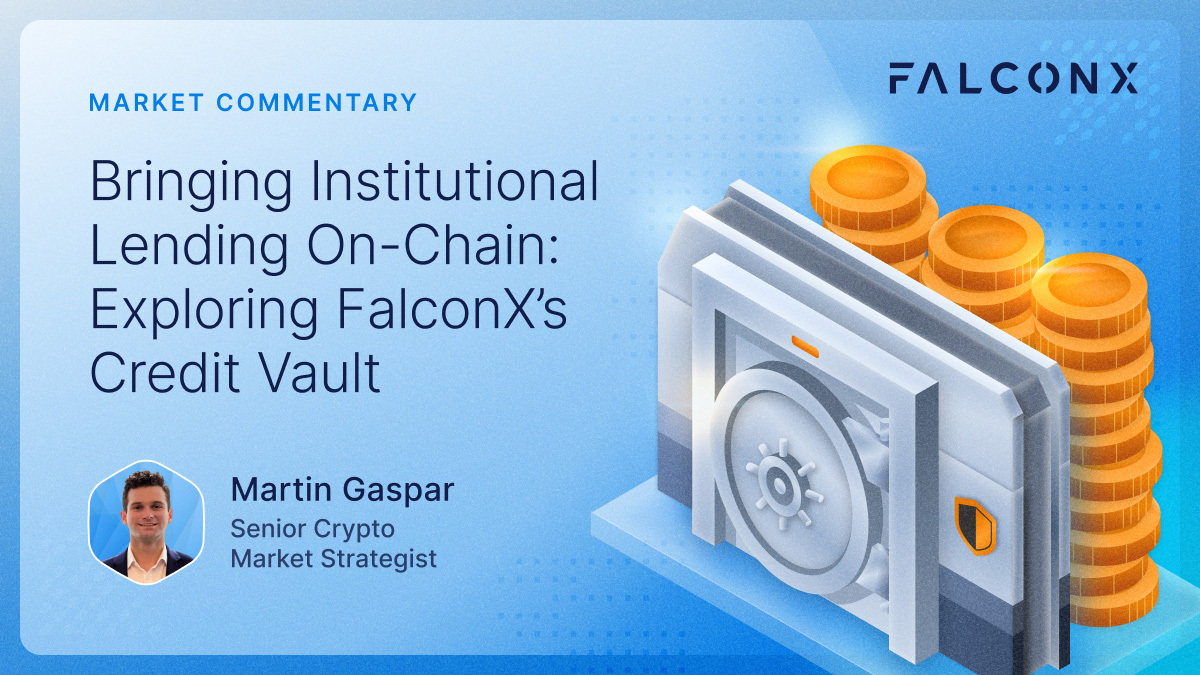
Once your collateral is locked, you can borrow against it. You can choose to borrow stablecoins like USDC for predictable repayment or volatile assets like ETH if you want to maintain exposure. The amount you can borrow is capped by your collateral’s value and the protocol’s risk parameters.
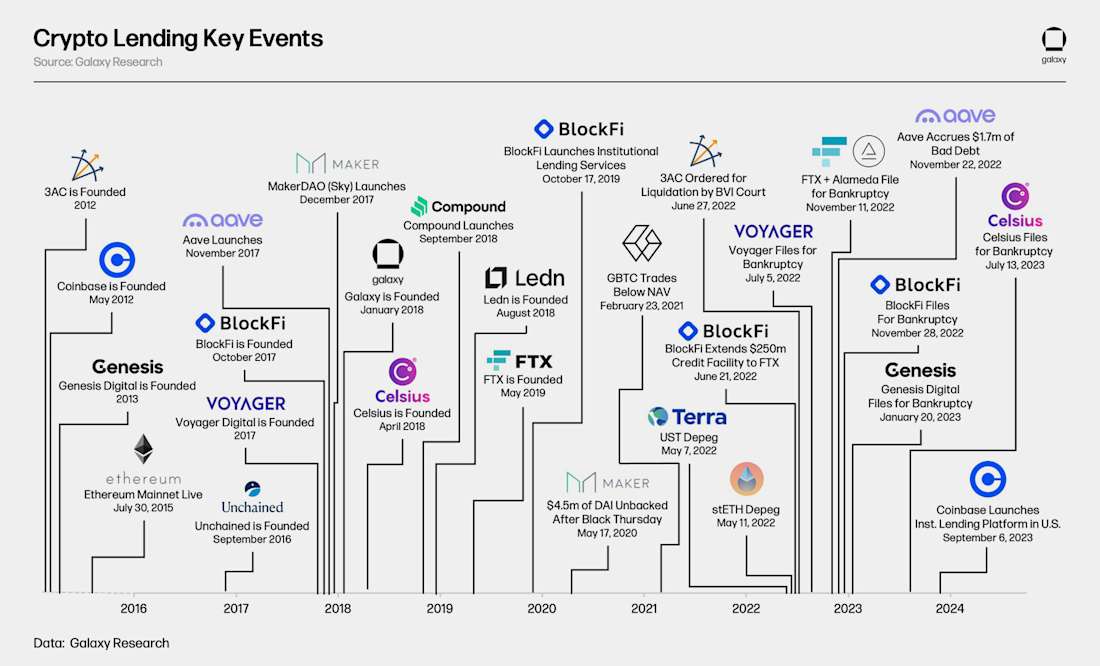
This is the most critical step. If the value of your collateral drops below the maintenance threshold, your position may be liquidated. Set up price alerts or use automation tools to add more collateral or repay part of the loan before the liquidation price is hit. Never treat your collateral as "set and forget."
Managing these positions is less about timing the market perfectly and more about risk management. Keep a buffer of additional collateral or stablecoins ready to cover sudden volatility. Regularly review the protocol’s interest rates, as borrowing costs can fluctuate based on demand.
Frequently asked questions about onchain loans
Are crypto backed loans a good idea? Crypto backed loans let holders borrow against digital assets without selling, avoiding taxable events while maintaining market exposure. This strategy works best when you need liquidity but want to keep your long-term positions intact.
What is onchain lending? DeFi lending allows users to borrow and lend crypto assets through blockchain-based protocols rather than centralized financial institutions. These smart contract systems automate the process, removing the need for traditional credit checks or intermediaries.
Can I borrow against my XRP? Yes, many DeFi protocols accept XRP as collateral. However, loan-to-value ratios and interest rates vary significantly by asset. XRP often faces stricter terms compared to Bitcoin or Ethereum due to its price volatility and regulatory history.
What is the best crypto loan? There is no single "best" loan, as the right choice depends on your asset, desired loan-to-value ratio, and risk tolerance. Look for protocols with deep liquidity and transparent interest rate models to minimize the risk of liquidation.
No comments yet. Be the first to share your thoughts!