From speculation to utility
Onchain crypto loan infrastructure is undergoing a structural shift. The market is moving away from pure speculation toward institutional-grade utility, driven by the integration of real-world assets (RWA) and programmable risk models. This transition marks a maturation phase for decentralized finance, positioning lending protocols as critical components of modern credit infrastructure rather than mere speculative vehicles.
Historically, onchain lending has catered primarily to crypto-natives, offering little utility outside of speculative arbitrage. While crypto-collateralized loans remain a staple, the next phase of growth relies on extending credit to businesses and institutions without relying on the 150%+ collateral ratios typical of traditional DeFi. This evolution allows for more efficient capital deployment and broader institutional adoption.
The integration of RWA tokenization is central to this shift. By bringing tangible assets onto the blockchain, lenders can access new collateral bases and diversify risk. This development not only stabilizes the lending landscape but also opens doors for traditional finance players to engage with onchain credit markets, signaling a move toward a more robust and diversified financial ecosystem.
The Technical Stack Behind Onchain Loans
Onchain crypto loan infrastructure is not a single product but a layered system. It replaces traditional banking intermediaries with code, oracles, and settlement networks. This stack must handle asset identification, pricing, execution, and final settlement without human intervention.
Oracle Data Feeds
Smart contracts cannot see the real world. Oracle feeds bring external price data into the blockchain, allowing protocols to calculate loan-to-value ratios and trigger liquidations. Without accurate, tamper-resistant pricing, a loan’s collateral value is a guess. Protocols rely on multiple oracle sources to prevent single points of failure, ensuring that a price manipulation on one exchange doesn’t wipe out the entire lending pool.
Smart Contract Execution
Once data is verified, smart contracts enforce the loan terms. They handle the origination, interest accrual, and repayment schedules. For example, the XRPL Lending Protocol enforces these behaviors natively onchain, automating default conditions and interest calculations directly in the ledger. This reduces administrative overhead and removes the need for third-party servicers, but it also means bugs in the code are the only thing standing between the protocol and a total loss.
Settlement Layers
The final layer is settlement. This is where the actual transfer of value occurs, often on a different chain or sidechain than the execution layer. Cross-chain bridges and atomic swaps allow assets to move between networks, but they introduce additional complexity and risk. The efficiency of onchain lending depends heavily on how quickly and cheaply these settlements can be finalized without exposing users to bridge hacks or network congestion.
Institutional adoption and base rates
Use this section to make the Onchain Crypto Loan Infrastructure decision easier to compare in real life, not just on paper. Start with the reader's actual constraint, then separate must-have requirements from details that are merely nice to have. A practical choice should survive normal use, maintenance, timing, and budget. If a recommendation only works in an ideal situation, call that out plainly and give the reader a fallback path.
| Factor | What to check | Why it matters |
|---|---|---|
| Fit | Match the option to the primary use case. | A good deal still fails if it does not fit the job. |
| Condition | Verify age, wear, and service history. | Hidden condition issues erase upfront savings. |
| Cost | Compare purchase price with likely upkeep. | The cheapest option is not always the lowest-cost option. |
Programmatic credit and transparent risk
Onchain lending replaces institutional trust with verifiable code. This shift introduces a transparent and programmable alternative to conventional credit markets, where risk parameters are no longer hidden behind bank walls but written into smart contracts (Coinbase Institute).
Traditional credit relies on opaque scoring models that often lag behind real-time market conditions. In contrast, onchain infrastructure enables precise risk modeling through transparent, code-enforced rules. Collateral ratios, liquidation thresholds, and interest rates are calculated automatically based on live oracle data. This allows for real-time risk assessment and automated enforcement, reducing the latency and human error inherent in legacy systems.
The result is a credit environment where the rules of engagement are public and immutable. Borrowers and lenders can audit the exact logic governing their positions without needing to negotiate terms or wait for approval. This transparency lowers the barrier to entry for complex financial strategies, allowing protocols to manage risk with a level of granularity that traditional banks cannot match.
Navigating the 2026 onchain crypto loan market
The infrastructure for onchain crypto loan products is maturing, but the landscape remains fragmented. For investors and developers, success in 2026 depends on rigorous due diligence rather than chasing yield alone. The focus has shifted from raw volume to sustainable, compliant lending models that can withstand regulatory scrutiny.
Prioritize protocols with multiple independent security audits and a proven track record of handling funds. Look for transparent vulnerability disclosure programs and insurance mechanisms to mitigate smart contract risks.
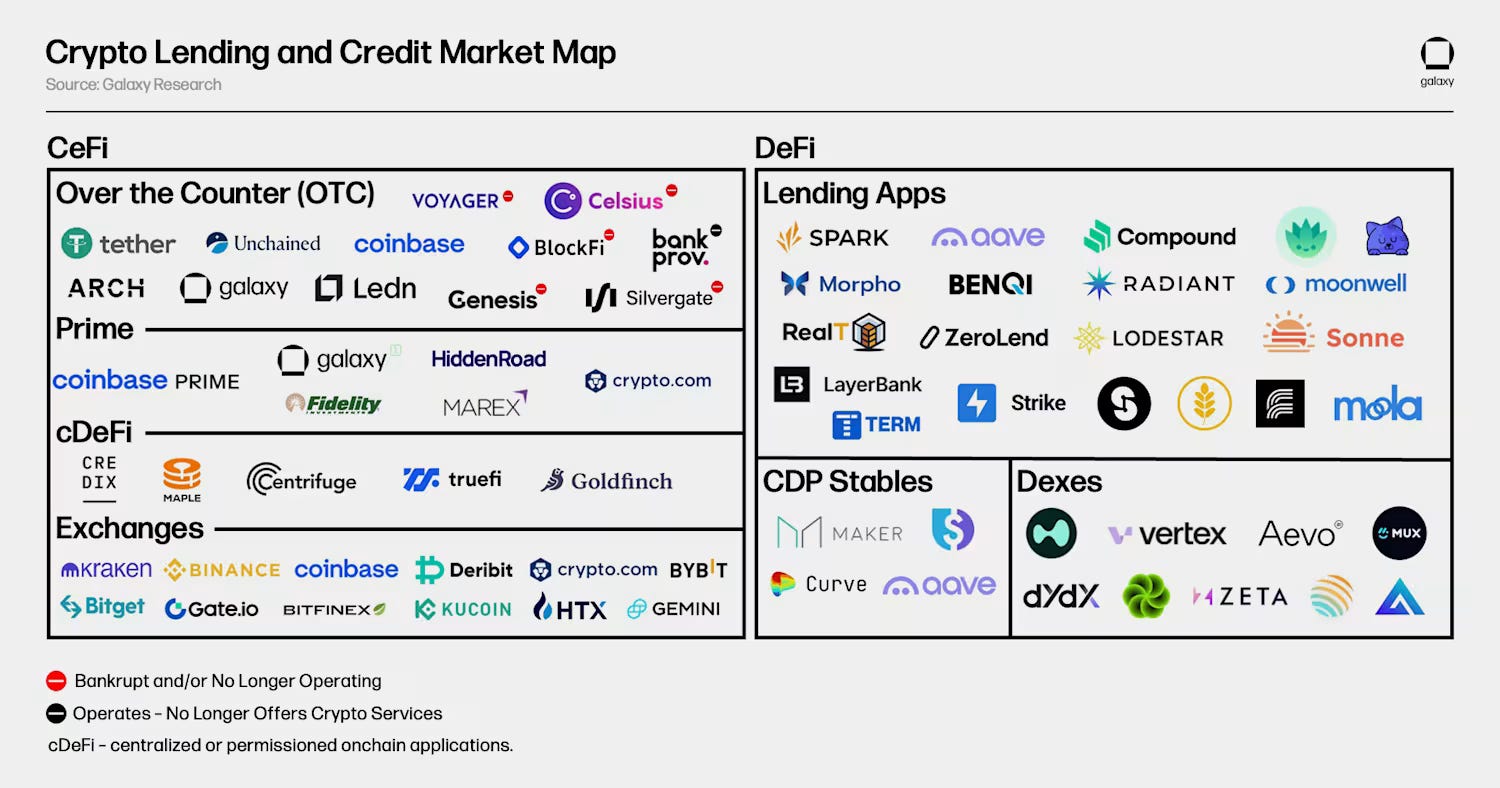
With increasing global oversight, choose platforms that adhere to KYC/AML standards where required. Official sources like Galaxy Digital highlight that institutional adoption hinges on clear regulatory alignment and legal certainty.

Deep liquidity pools are essential for stable borrowing rates and efficient liquidations. Ensure the protocol uses reliable oracles to prevent price manipulation attacks that have historically plagued DeFi lending markets.
-
Verified smart contract audits
-
Regulatory compliance status
-
Deep liquidity pools
-
Reliable oracle feeds
Frequently asked: what to check next
Onchain lending replaces institutional trust with verifiable code, offering a transparent alternative to conventional credit markets [[src-6]]. This shift introduces specific mechanics and risks that differ from traditional finance.
Helpful gear
Use these product recommendations as a starting point, then choose the size, material, and price point that fit how you actually use the gear.


As an Amazon Associate, we may earn from qualifying purchases.
No comments yet. Be the first to share your thoughts!