Onchain crypto loan strategy
Onchain crypto lending has evolved from simple collateralized borrowing into a multi-layered market. The core mechanic remains the same: you lock digital assets in a smart contract to borrow against them without selling your position. This preserves your upside exposure while providing liquidity for other investments or expenses. However, the landscape is fragmented across centralized exchanges, decentralized protocols, and emerging private credit platforms.
The most significant advantage of onchain lending is capital efficiency. Unlike traditional finance, you can often borrow against volatile assets like Bitcoin or Ethereum. Platforms like Morpho offer competitive rates by facilitating peer-to-peer lending, where USDC borrow APY on Ethereum can drop to 4-5%, roughly half the cost of some centralized alternatives. This efficiency is critical for AI infrastructure projects or traders who need to deploy capital quickly without triggering taxable events.
Yet, this strategy carries distinct risks. Smart contract vulnerabilities, liquidation cascades during market dips, and protocol insolvency can lead to total loss of collateral. The rise of onchain private credit, where funds are pooled for offchain agreements, adds another layer of opacity. Borrowers must carefully assess the counterparty risk and the specific terms of each protocol. Success depends on understanding the tradeoffs between yield, liquidity, and security in each lending environment.
Onchain crypto loan strategy choices that change the plan
Selecting an onchain lending protocol requires balancing cost, liquidity, and counterparty risk. Unlike traditional finance, where a bank underwrites your creditworthiness, onchain lending relies on overcollateralization or algorithmic risk models. The primary tradeoff is usually between the lowest borrowing rates and the flexibility of your collateral.
| Loan Type | Cost Structure | Collateral Flexibility | Primary Risk |
|---|---|---|---|
| Centralized Exchange | Fixed, often higher | Limited to platform assets | Platform insolvency |
| Overcollateralized DeFi | Variable, market-driven | High (ETH, BTC, Stablecoins) | Liquidation cascade |
| Morpho-style P2P | Lowest (4-5% APY) | Narrower pools | Smart contract vulnerability |
| Onchain Private Credit | Negotiated, higher | Offchain legal claims | Offchain enforcement delay |
The most significant factor is the liquidation threshold. In overcollateralized markets, your assets are at risk if the price drops below a specific ratio. Protocols like Morpho offer lower rates—sometimes 4-5% APY on USDC—but require stricter collateralization. Centralized exchanges offer convenience but introduce custodial risk. If the platform fails, your collateral may be frozen or lost.
For high-net-worth individuals, onchain private credit allows borrowing against offchain agreements. This approach mirrors traditional private lending but settles onchain. It offers flexibility for illiquid assets but carries higher counterparty risk since enforcement relies on offchain legal structures. Evaluate your tolerance for smart contract bugs versus platform insolvency before committing capital.
Turn onchain research into a lending decision
Onchain crypto loans offer liquidity without selling your assets, but the landscape is fragmented. Galaxy Research notes that onchain private credit pools funds to deploy through offchain agreements, creating a hybrid model that blurs traditional lines [src-serp-1]. Meanwhile, platforms like Morpho offer USDC borrow APYs as low as 4-5%, often half the rate of other crypto-backed loan options [src-serp-2].
To navigate this, you need a clear framework. Below is a step-by-step guide to structuring your onchain lending strategy based on current market data.

Determine if you need short-term capital for business funding or property purchases. High-net-worth investors often use crypto-backed loans for these specific needs to avoid triggering taxable events from selling their digital assets.
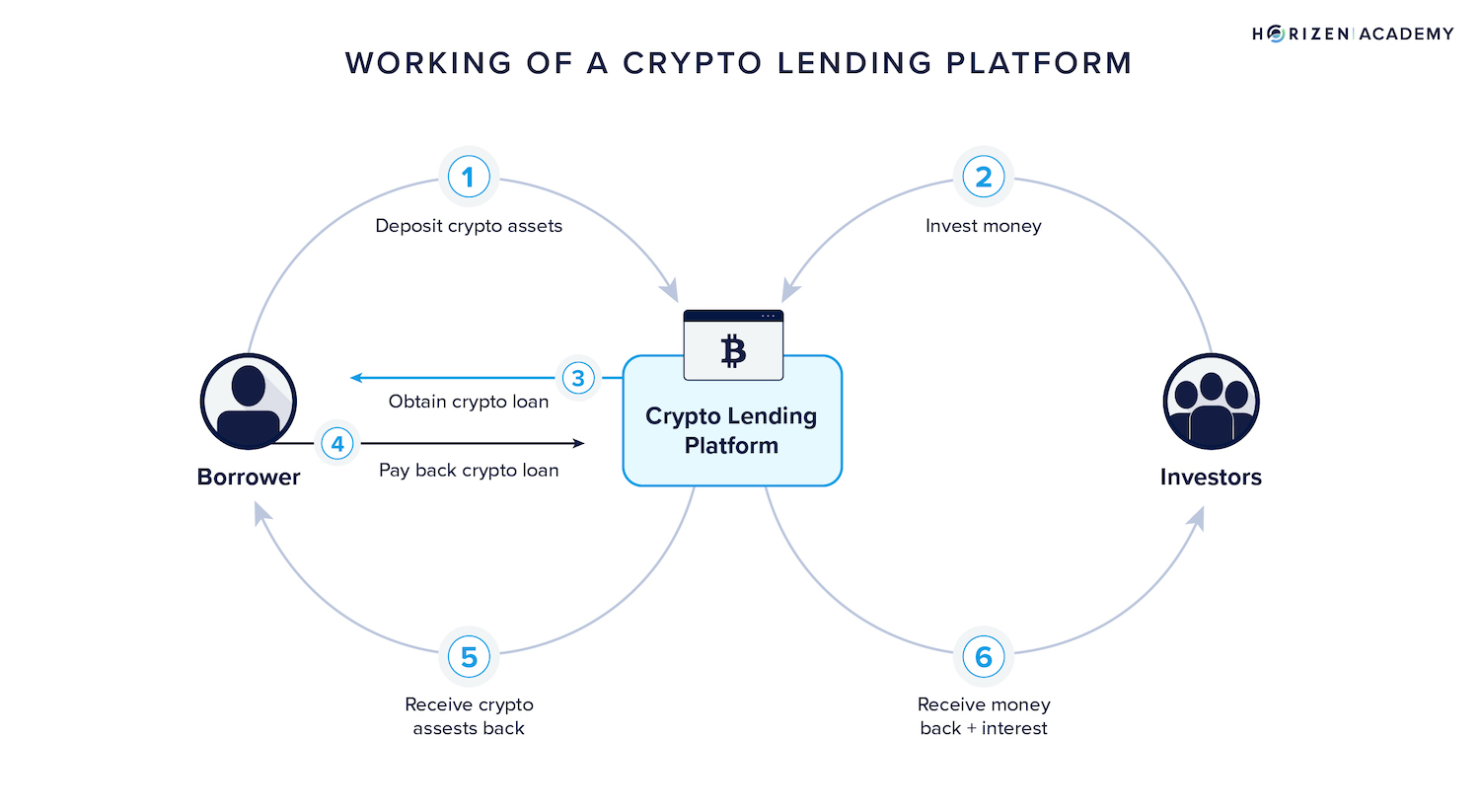
Analyze the spread between onchain lending protocols and traditional offchain credit. While onchain private credit allows for pooled deployment, standard crypto-backed loans on Ethereum can sometimes offer lower rates for stablecoin borrowing compared to other platforms.
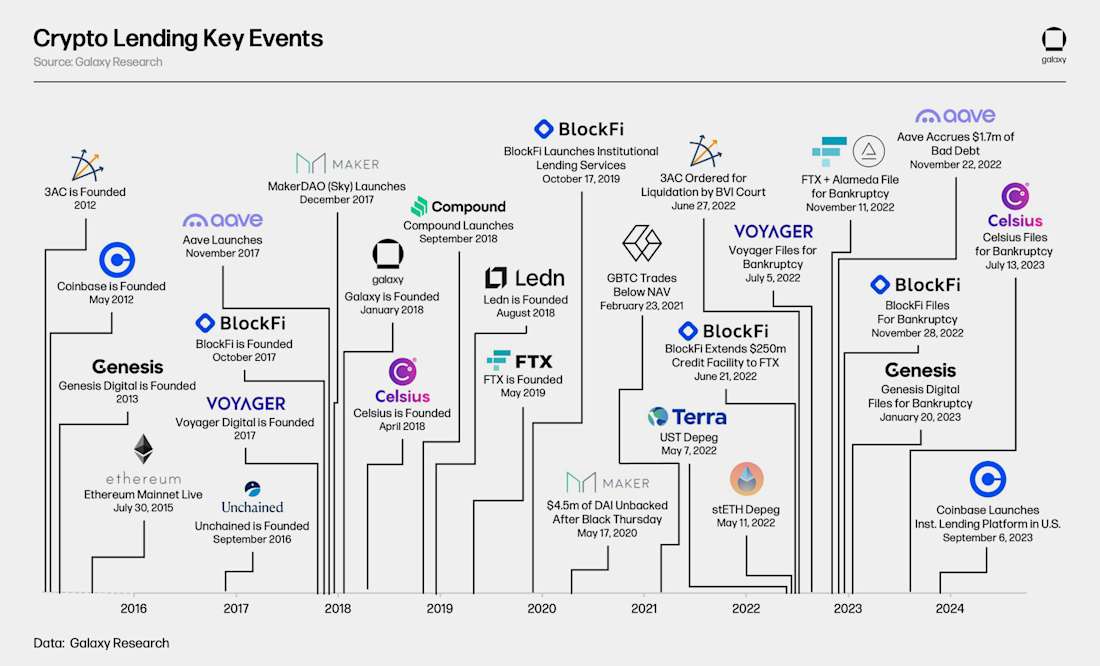
Check the loan-to-value (LTV) ratios for your specific asset. XRP, for example, may have different risk profiles and borrowing limits compared to Bitcoin or Ethereum. Ensure your collateral buffer is sufficient to withstand market volatility.
Use live market data to track your position. Onchain lending requires active management to avoid liquidation. Set alerts for collateral price movements and interest rate changes to maintain your loan status.
| Feature | Onchain Private Credit | Standard Crypto-Backed |
|---|---|---|
| Structure | Pooled funds, offchain agreements | Direct collateralized borrowing |
| Typical Rates | Varies by pool | 4-5% (USDC on Ethereum) |
| Best For | Large capital deployments | Short-term liquidity needs |
Watchouts for Onchain Crypto Loans
Onchain lending offers liquidity without selling assets, but the landscape hides significant risks. A common mistake is chasing the lowest headline APY without checking the underlying collateral or protocol solvency. As noted in Galaxy Research, onchain private credit often pools funds for offchain agreements, introducing counterparty risk that pure onchain loans avoid. Always verify if the protocol holds real-time reserves.
Another trap is ignoring liquidation thresholds. During high volatility, aggressive loan-to-value (LTV) ratios can trigger instant liquidations. While Morpho’s USDC borrow APY on Ethereum has been reported as low as 4-5%—up to 2x lower than some competitors—these rates often apply only to specific, low-risk pairs. Borrowers must compare these against traditional crypto-backed loan options to understand the true cost of capital.
Finally, avoid platforms that obscure their smart contract audits or lack transparent governance. If a protocol’s code isn’t open-source or has not undergone rigorous third-party review, it is a weak option. Prioritize protocols with clear, verifiable onchain data to mitigate the risk of hidden fees or sudden protocol failures. The goal is to leverage your assets, not lose them to opaque mechanics.
Onchain crypto loan strategy: what to check next
Here are direct answers to common questions about onchain lending and crypto-backed loans.
Are crypto-backed loans a good idea?
For high-net-worth investors and entrepreneurs, these loans are useful when wealth is tied up in digital assets but liquidity is needed for property purchases, business funding, or short-term capital requirements. The primary benefit is avoiding capital gains tax events from selling assets. However, they carry liquidation risk if the collateral price drops significantly, making them suitable only for those who can manage margin calls or hold excess collateral.
Can you make money on Onchain?
Yes, through both lending and borrowing. Lenders can earn yield by providing liquidity to protocols like Morpho, where USDC borrow APY on Ethereum can range from 4-5%, potentially offering higher returns than traditional savings accounts. Borrowers can potentially profit if the loan proceeds are deployed into higher-yielding strategies or if the asset appreciates faster than the loan interest rate.
Can I borrow against my XRP?
Yes, many onchain lending platforms support XRP as collateral. You can deposit XRP into a smart contract to borrow stablecoins like USDC. The loan-to-value (LTV) ratio for XRP is typically lower than for Bitcoin or Ethereum due to higher volatility, meaning you must provide more XRP to borrow the same amount of capital.
What is onchain lending?
Onchain lending involves lending capital onchain, underwriting credit risk, and structuring debt instruments via smart contracts. It allows users to pool funds and deploy them through onchain agreements, providing transparency and efficiency compared to traditional offbank lending. This includes private credit and decentralized finance (DeFi) protocols that automate the borrowing and lending process.
No comments yet. Be the first to share your thoughts!