Build a practical onchain crypto loan strategy
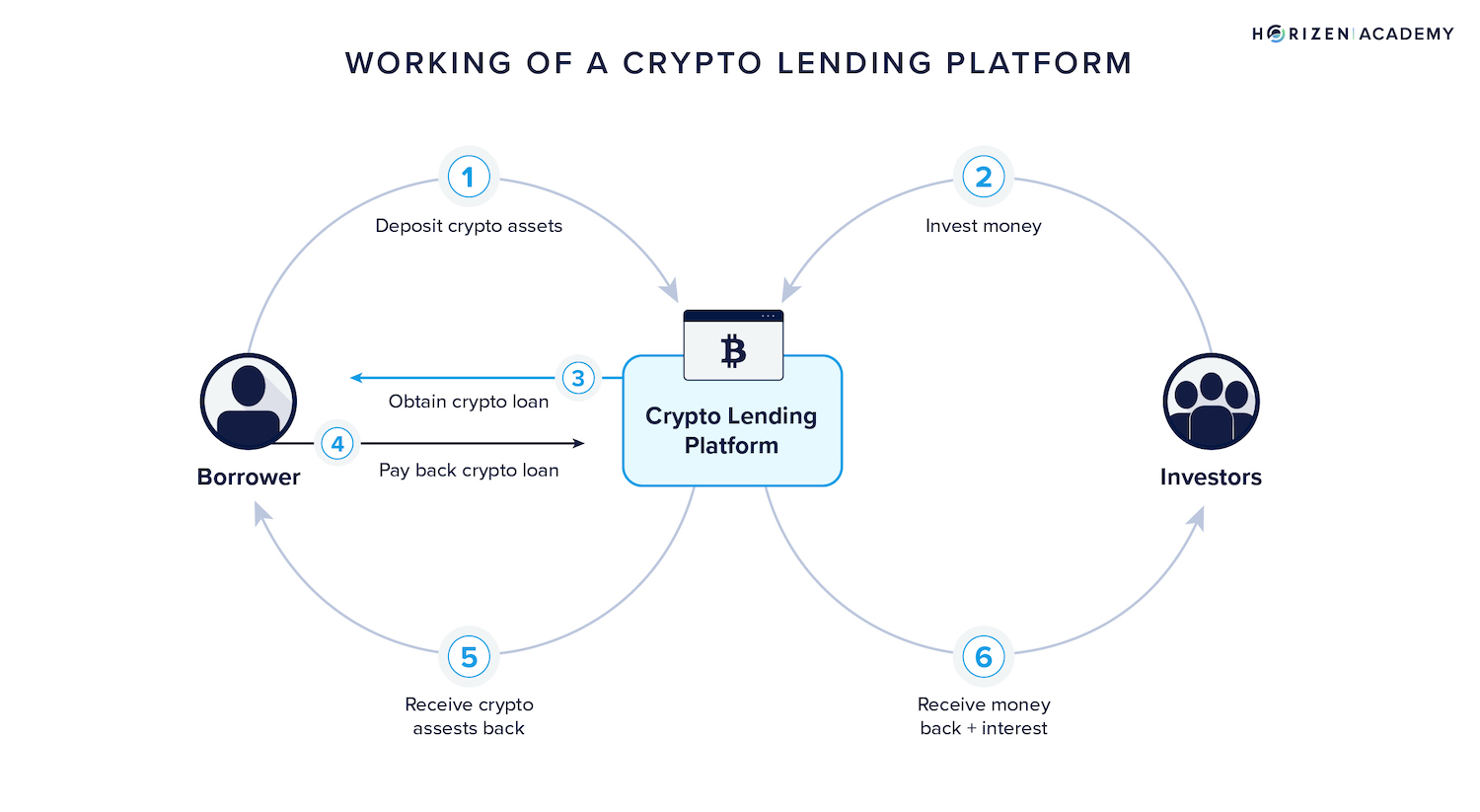
An onchain crypto loan strategy lets you access liquidity without triggering taxable events or selling your underlying assets. Instead of liquidating holdings, you use digital assets as collateral to borrow against, preserving your position in the market while meeting short-term capital needs. This approach works best for investors who expect their collateral to appreciate over time or who need funds for specific opportunities like property purchases or business expansion.
The mechanics are straightforward: you deposit crypto into a smart contract and borrow against it. However, the strategy requires careful risk management. Standard decentralized finance (DeFi) money markets often require a 150% collateralization ratio, meaning you must deposit more value than you borrow. This high requirement ties up significant capital and limits efficiency. For larger institutional needs, onchain private lending protocols offer an alternative, often accepting offchain assets or creditworthiness instead of strict crypto collateral.
To navigate this space effectively, focus on borrowing costs and liquidation risks. Compare rates across platforms; for example, Morpho’s USDC borrow APY on Ethereum can be 4-5%, significantly lower than many other crypto-backed loan options. Always calculate your maximum loan-to-value (LTV) ratio before borrowing to ensure you have enough buffer against market volatility. A disciplined approach to collateral management is essential to avoid forced liquidations during market dips.
Evaluating onchain crypto loan choices that change the plan
Before allocating capital to an onchain credit protocol, you must understand the specific mechanics of how risk is priced and secured. Onchain lending is not a monolith; it ranges from overcollateralized DeFi money markets to private credit lines secured by offchain assets. The right strategy depends on whether you prioritize yield, capital efficiency, or counterparty safety.
When comparing options, focus on three concrete factors: the collateralization ratio, the liquidation mechanics, and the counterparty structure. A lower loan-to-value (LTV) ratio reduces liquidation risk but also lowers your capital efficiency. Similarly, understanding whether the protocol uses automated smart contract liquidations or manual offchain recovery processes is critical for managing downside exposure.
The table below compares common onchain lending structures to help you identify which model aligns with your risk tolerance and yield targets.
| Feature | Lending Type | Collateral | Risk Profile |
|---|---|---|---|
| capital_efficiency | Overcollateralized DeFi | Crypto assets (150%+) | Smart contract & liquidation |
| capital_efficiency | Private Credit | Offchain assets/Revenue | Counterparty & legal |
| yield_potential | Overcollateralized DeFi | Crypto assets (150%+) | Market volatility |
| yield_potential | Private Credit | Offchain assets/Revenue | Default & recovery |
| liquidity | Overcollateralized DeFi | Crypto assets (150%+) | Instant access |
| liquidity | Private Credit | Offchain assets/Revenue | Locked terms |
For most investors, starting with overcollateralized platforms offers a transparent entry point. Protocols like Morpho allow borrowers to access USDC at rates that can be significantly lower than traditional crypto-backed loan options, often by aggregating supply across multiple venues. However, this convenience comes with the constant risk of smart contract exploits and rapid liquidations during market downturns.
Private credit protocols, on the other hand, extend credit to institutions based on creditworthiness rather than just crypto collateral. This model can offer higher yields and better capital efficiency, but it introduces legal and counterparty risks that are harder to assess on-chain. Always verify the legal framework and audit history of any private lending protocol before committing capital.
To monitor the broader market conditions that influence these lending rates, track the price action of major assets like Bitcoin. Volatility in the underlying collateral directly impacts liquidation thresholds and borrowing costs across all onchain credit markets.
Choose the next step
Onchain Crypto Loan Strategy works best as a clear sequence: define the constraint, compare the realistic options, test the tradeoff, and choose the path with the fewest hidden costs. That order keeps the advice usable instead of decorative. After each step, pause long enough to check whether the recommendation still fits the reader's actual situation. If it depends on perfect timing, unusual access, or a best-case budget, include a simpler fallback.

Watchouts for the 2026 Onchain Credit Market
Onchain credit strategies involve lending capital onchain, underwriting credit risk, and structuring debt instruments via smart contracts. While this offers liquidity without selling digital assets, the market is rife with misleading yield claims and hidden risks. Navigating this space requires distinguishing between sustainable yield and unsustainable incentives.
The Yield Illusion
Many platforms advertise yields that exceed 10% APY. These numbers often rely on volatile token emissions rather than genuine borrower interest. For instance, Morpho’s USDC borrow APY on Ethereum can be as low as 4-5%, which is up to 2x lower than other crypto-backed loan options. This lower rate reflects real market demand, not artificial inflation. When you see yields that seem too good to be true, they likely are. The gap between advertised APY and sustainable yield is where most capital gets eroded.
Collateral and Protocol Risks
Standard DeFi money markets typically require 150% crypto-collateral. However, onchain private lending extends credit to businesses or institutions via blockchain protocols, usually without this requirement. Instead, these loans are secured by offchain assets or the borrower's creditworthiness. This introduces offchain risk into an onchain environment. If the offchain asset fails or the borrower defaults, the smart contract may not have sufficient recourse. Always verify the legal enforceability of offchain collateral before lending.
Liquidity Traps
Not all onchain loans are liquid. Some protocols lock capital for fixed terms to match long-term borrower needs. If you need to exit a position, you may find no secondary market or face significant slippage. Check the protocol’s exit mechanisms and liquidity pools before committing capital. Illiquidity can turn a high-yield opportunity into a trapped asset during market downturns.
Onchain crypto loan strategy: what to check next
Onchain lending has matured from experimental DeFi protocols into a structured credit market. Borrowers can now access capital without selling their assets, while lenders yield from stablecoin demand. Below are answers to the most common practical questions about navigating this space in 2026.
No comments yet. Be the first to share your thoughts!