The onchain crypto loan market size and growth
Onchain crypto lending has moved past the speculative phase into a structural component of the broader digital asset economy. The market reached a new all-time high of $73.6 billion in total value locked during Q3 2025, driven primarily by institutional demand for stablecoin liquidity and Bitcoin-backed leverage. This growth reflects a fundamental shift in how capital is deployed on-chain, moving beyond simple speculation to complex financial strategies.
According to Galaxy Research, onchain lending applications have experienced strong growth since the bear market bottom of $1.8 billion in open borrows at the conclusion of Q4 2022. Coinbase Institutional Market Intelligence notes that usage reached all-time high levels in December 2024, signaling that the sector is continuing to expand as the overall onchain economy matures.
The distinction between onchain private lending and traditional crypto-backed lending is critical for market analysis. While collateralized loans remain the dominant volume driver, onchain private lending—issuing uncollateralized or under-collateralized loans via blockchain technology—is emerging as a high-value niche for sophisticated borrowers. This bifurcation creates two distinct markets with different risk profiles and yield opportunities.
Understanding these dynamics is essential for anyone navigating the 2026 landscape. The market is no longer just about borrowing against crypto; it is about leveraging onchain infrastructure for complex financial strategies.
Onchain crypto loan market choices that change the plan
Onchain crypto lending has shifted from experimental technology to a core pillar of the digital asset economy. With the total value locked in crypto-backed lending hitting an all-time high of $73.6 billion in Q3 2025, borrowers and lenders now face a complex landscape of options. The market is no longer monolithic; it splits into distinct categories based on collateral requirements, risk models, and target audiences.
Choosing the right lending mechanism requires evaluating the tradeoff between speed and cost, or flexibility and security. Overcollateralized DeFi loans offer immediate liquidity with transparent smart contracts but demand significant capital buffers. In contrast, onchain private lending utilizes credit scores and undercollateralization to serve institutional or high-net-worth borrowers, offering larger limits but introducing counterparty and regulatory risks. Understanding these structural differences is essential for optimizing capital efficiency and managing risk.
The following comparison highlights the primary tradeoffs between the two dominant lending models. Use this framework to determine which structure aligns with your liquidity needs and risk tolerance.
| Feature | Overcollateralized DeFi | Onchain Private Lending | Traditional CeFi |
|---|---|---|---|
| Collateral Requirement | High (120-150%+) | Low to None (Credit-based) | High (Equity/Cash) |
| Speed to Liquidity | Instant (Smart Contract) | Days (KYC/Underwriting) | Weeks (Manual Review) |
| Borrower Privacy | Pseudonymous | Identified (KYC/AML) | Fully Identified |
| Max Loan-to-Value | 50-70% | Up to 90%+ | 30-50% |
| Risk Model | Liquidation Risk | Credit/Counterparty Risk | Insolvency Risk |
| Typical Use Case | Short-term leverage, yield farming | Institutional balance sheet, OTC | Corporate finance, mortgages |
For most retail participants, overcollateralized DeFi lending remains the standard due to its transparency and accessibility. However, as the market matures, onchain private lending is capturing significant share by bridging the gap between traditional finance rigor and blockchain efficiency. Borrowers with strong credit profiles or institutional backing should evaluate private lending platforms to unlock higher leverage ratios without the constant threat of liquidation. Conversely, those prioritizing self-custody and anonymity should stick to established DeFi protocols, accepting the higher collateral requirements as the price of permissionless access.
How to choose an onchain crypto loan platform
The onchain lending market has reached all-time high levels, with crypto-backed lending hitting $73.6 billion in Q3 2025. This growth reflects a shift toward decentralized infrastructure, but it also means you must select a platform that matches your specific risk tolerance and liquidity needs. There is no single best protocol; the right choice depends on whether you prioritize yield, capital efficiency, or privacy.
1. Assess your custody preference
The first decision is whether to use a centralized exchange (CEX) or a decentralized protocol. CEXs like Coinbase or Binance offer managed custody, which simplifies the process but introduces counterparty risk. If you cannot bear the risk of a platform failure, decentralized lending pools on Ethereum or Layer 2s are safer, though they require more technical knowledge to navigate.
2. Determine your collateral needs
Most onchain loans are overcollateralized, meaning you must lock up more crypto than you borrow. This protects lenders but reduces your capital efficiency. If you need to borrow against assets without locking them up, look for undercollateralized private lending platforms. These are emerging as the backbone of onchain credit markets for high-net-worth individuals and institutions who can pass credit checks off-chain.
3. Compare yield and liquidity
Yield varies significantly across platforms. Isolated lending pools often offer higher yields because they isolate risk to specific assets. However, liquidity can be thin, making it hard to exit positions quickly. Always check the total value locked (TVL) and utilization rates before committing capital. A high utilization rate often signals strong demand but also increases the risk of liquidation if the market turns.




As an Amazon Associate, we may earn from qualifying purchases.
4. Monitor and manage your position
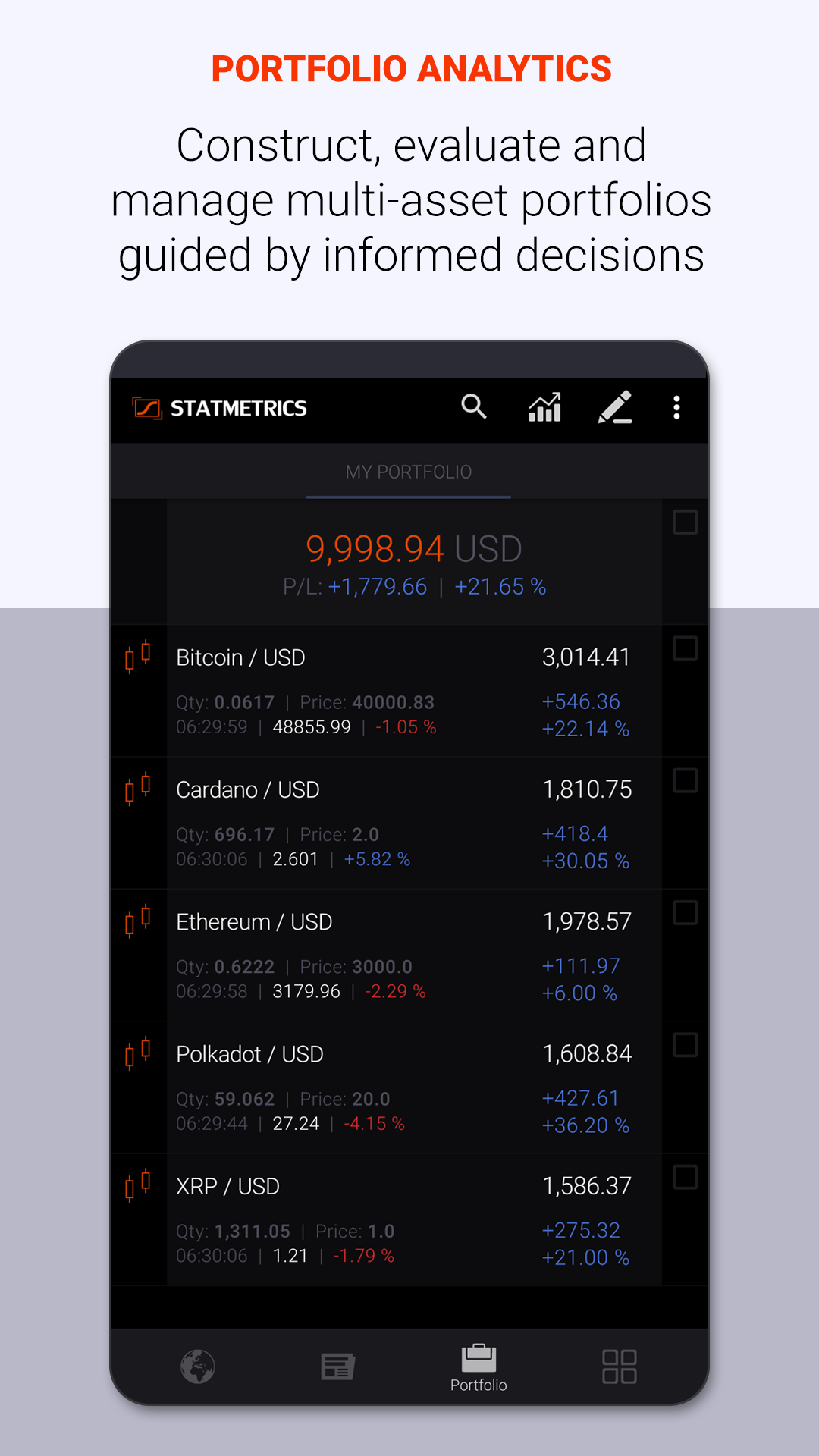
Onchain lending is not set-and-forget. You must actively monitor your loan-to-value (LTV) ratio. If the value of your collateral drops, you may face a margin call or liquidation. Use dashboard tools to track your positions across multiple protocols. Some platforms offer auto-rebalancing features, but these come with their own smart contract risks.
Spot Weak Options and Misleading Claims
The crypto lending market hit $73.6 billion in Q3 2025, yet many platforms still mask high risk with polished dashboards. Onchain lending has grown from a bear market bottom of $1.8 billion in open borrows to all-time highs, but this growth often hides structural weaknesses. Borrowers face hidden liquidation risks, while lenders encounter smart contract vulnerabilities that static yield numbers ignore.
Avoid platforms promising stable, uncollateralized yields without transparent reserve audits. Many "private lending" protocols lack the collateralization ratios seen in established DeFi giants. When evaluating options, check if the platform discloses its over-collateralization buffer and liquidation thresholds. If the data is buried or vague, treat the yield as a liability, not an asset.
| Feature | Weak Option | Strong Option |
|---|---|---|
| Collateral | Uncollateralized or under-collateralized | Over-collateralized with clear LTV |
| Transparency | Opaque reserve audits | Real-time on-chain verification |
| Risk | High liquidation risk | Dynamic liquidation buffers |
Onchain crypto loan market research: what to check next
Before committing capital to onchain lending protocols, it is essential to understand the mechanics and scale of the market. The sector has evolved from experimental DeFi experiments into a robust infrastructure layer, with total crypto-backed lending reaching an all-time high of $73.6 billion in Q3 2025. This growth reflects increasing institutional adoption and the maturation of risk management tools.
Below are direct answers to the most common questions about onchain lending infrastructure and strategy.
No comments yet. Be the first to share your thoughts!