Onchain crypto loan limits to account for
An onchain crypto loan guide starts with a simple tradeoff: liquidity versus custody. You pledge digital assets as collateral to access capital without selling your holdings. Approval depends on the value of those assets, not your income or credit score. This structure lets you keep your position while freeing up cash for other investments or expenses.
The primary constraint is the overcollateralization requirement. Lenders typically require a loan-to-value (LTV) ratio between 50% and 75%. This buffer protects the lender if the underlying asset price drops. If your collateral value falls below the maintenance threshold, you face liquidation. Your assets are sold to cover the loan, often at a loss. This risk is real and immediate.
Onchain lending also introduces smart contract risk. Unlike a bank, there is no insurance or deposit protection. A bug in the protocol or a sudden market crash can lead to total loss. Some platforms use onchain credit scores to offer under-collateralized loans, but these are less common and often have stricter eligibility criteria.
Before borrowing, assess your risk tolerance. If you cannot afford to lose your collateral or pay additional margin calls, an onchain loan may not be suitable. Compare platforms like Figure or Aave for their specific LTV ratios, interest rates, and liquidation thresholds. The best platform depends on your asset type and risk appetite.
Onchain crypto loan choices that change the plan
Choosing an onchain lending path requires balancing speed, cost, and liquidity risk. The core tradeoff is simple: how much collateral do you need to lock up, and how much control do you surrender to a protocol or platform? Most borrowers choose between overcollateralized DeFi protocols and undercollateralized private credit.
Overcollateralized loans, such as those on Aave or Compound, are the most common. You lock crypto assets into a smart contract to borrow stablecoins. The tradeoff is capital efficiency. You might only borrow 50-70% of your collateral’s value, tying up significant assets. However, these loans are permissionless, transparent, and require no credit check.
Undercollateralized or private credit, offered by platforms like Figure or Huma, allows borrowing against on-chain credit scores or cash flow. This unlocks higher loan-to-value ratios, sometimes up to 90-100% of asset value. The tradeoff is centralization and risk. These platforms often use legal wrappers and centralized underwriting, introducing counterparty risk that pure DeFi protocols avoid.
| Feature | Overcollateralized DeFi | Undercollateralized Private Credit |
|---|---|---|
| Collateral Required | High (120-150%+) | Low or None (Credit Score) |
| Approval Speed | Instant (Smart Contract) | Days (Underwriting) |
| Interest Rates | Variable (Market-driven) | Fixed or Prime + Spread |
| Liquidation Risk | High (Auto-liquidation) | Low (Negotiated/Workout) |
| Privacy | Pseudonymous | KYC/Identity Required |
The decision depends on your priority. If you want maximum capital efficiency and don’t mind locking up assets, DeFi is the standard. If you need to leverage existing holdings without selling or locking them, private credit offers a more flexible, albeit more complex, alternative.
How to Choose the Right Onchain Crypto Loan
Selecting a lending protocol requires matching your collateral type and yield goals to the platform’s risk model. The market splits into two distinct categories: overcollateralized DeFi loans, which prioritize capital efficiency, and undercollateralized onchain credit, which relies on identity and transaction history.
1. Define Your Collateral Strategy
If you hold volatile assets like Bitcoin or Ethereum, you typically need to deposit more value than you borrow. This overcollateralized model minimizes lender risk but ties up your capital. You must calculate the Loan-to-Value (LTV) ratio carefully to avoid liquidation if the market drops.

For most borrowers, keeping an LTV below 50% provides a safety buffer against sudden market swings. This approach works best if you want to retain ownership of your assets while accessing cash without triggering taxable sales events.
2. Evaluate Yield-Offsetting Mechanisms
Not all loans are pure debt. Some platforms allow you to earn yield on your deposited collateral, effectively subsidizing the interest you pay. This is common in DeFi lending pools where your assets are lent out to other users.

Check if the platform offers a "yield offset" program. In these cases, the yield generated by your collateral may cover part or all of the loan interest, turning a debt position into a neutral or even positive cash-flow strategy.
3. Consider Onchain Credit Scores
For borrowers with established onchain histories, undercollateralized loans offer a different path. Platforms like Figure use onchain credit scores to assess risk based on past transaction behavior rather than just asset value.
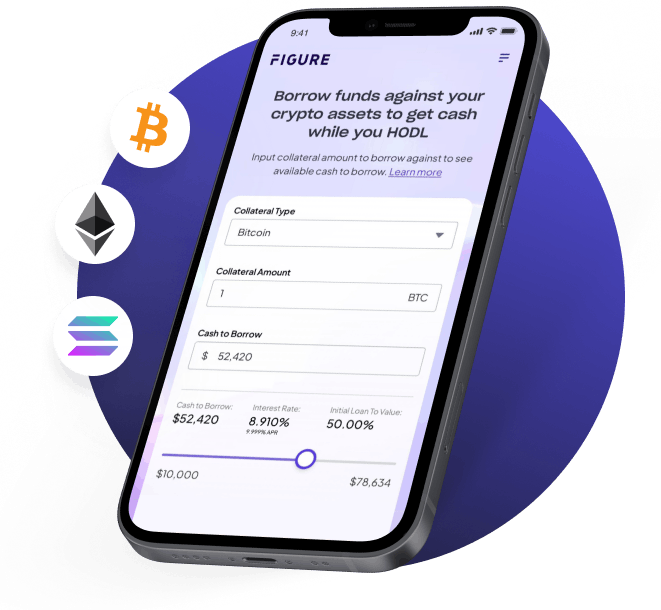
This model allows you to borrow against your reputation. It is ideal for active traders who have a clean history but lack the large capital reserves required for traditional overcollateralized loans. Approval depends on your onchain footprint, not just your wallet balance.
4. Review Platform Security and History
Security is the primary differentiator between reputable platforms and risky alternatives. Look for platforms with a long track record, transparent audits, and insurance funds that protect borrowers in case of protocol failure.
Avoid new or unaudited protocols. Stick to platforms with proven resilience during market downturns. Check if the platform has a history of stable operations and clear governance mechanisms for handling emergencies.
5. Calculate Total Cost of Borrowing
The interest rate is only one part of the cost. You must also factor in gas fees, potential liquidation penalties, and the opportunity cost of locked capital.
Use a simple calculator to compare the annual percentage rate (APR) against the yield your assets could earn elsewhere. If the loan cost exceeds the yield or opportunity gain, the strategy may not be profitable.
| Loan Type | Collateral | Best For | Risk Level |
|---|---|---|---|
| Overcollateralized | High-value crypto assets | HODLers avoiding taxes | Medium (Liquidation) |
| Undercollateralized | Onchain credit score | Active traders with history | High (Reputation-based) |
Watch out for weak lending options
Not all onchain crypto loans are created equal. Some platforms promise flexibility but hide high liquidation risks, while others offer under-collateralized loans without transparent credit scoring. To avoid costly mistakes, focus on platforms with clear terms, robust collateralization ratios, and verifiable onchain activity.
Compare platforms using key metrics like loan-to-value (LTV) ratios, interest rates, and liquidation thresholds. Look for providers that offer real-time monitoring and flexible repayment options. Avoid platforms with opaque fee structures or limited collateral support.
Decision guide
Choose a platform based on your specific needs. For high-value, low-risk loans, consider established platforms with strong security records. For flexible, short-term borrowing, look for platforms with easy withdrawal options. Always read the fine print and understand the risks before borrowing.
Onchain crypto loan: what to check next
Before committing digital assets to a lending protocol, it helps to understand the mechanics and risks involved. This section addresses the most common practical objections readers have when evaluating onchain debt strategies.
When comparing options, consider whether you prioritize speed and ease of use or full custody of your assets. Centralized services often provide a smoother user experience, whereas decentralized protocols offer greater transparency but require a deeper understanding of smart contract risks.
No comments yet. Be the first to share your thoughts!