Choose collateral that balances liquidity and risk
Start by picking the asset you are willing to pledge. Your collateral choice dictates your borrowing power, your cost of capital, and your exposure to liquidation. The goal is to secure the funds you need without risking the loss of your core holdings.
Prioritize established assets for stability.
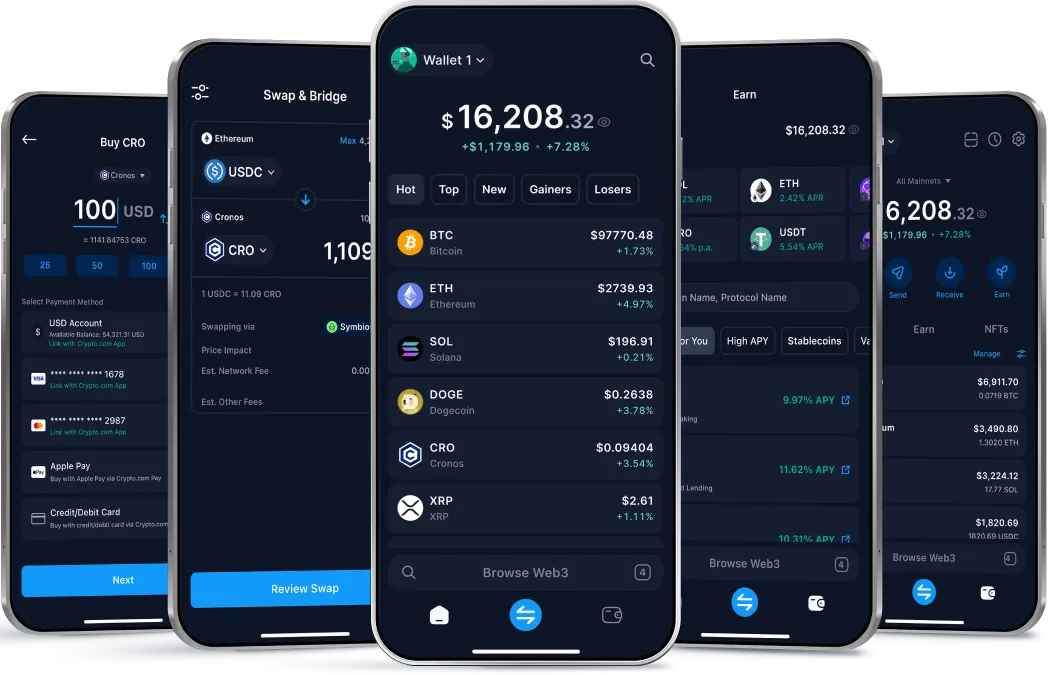
Bitcoin (BTC) and Ethereum (ETH) offer the highest loan-to-value (LTV) ratios on most platforms. Because these assets have deep liquidity and lower volatility than smaller caps, protocols view them as low-risk collateral. You can typically borrow more against BTC than against altcoins, and your interest rates will be lower. If your primary goal is to access liquidity without selling your core stack, these assets are the safest starting point.
Consider stablecoins for predictable costs.
If you already hold stablecoins like USDC or USDT, you can use them as collateral. The advantage is predictability: your collateral value does not fluctuate wildly with market sentiment. However, note that the borrowing power is capped at roughly 80-90% of the asset's value. You are essentially borrowing against cash, which means the spread between what you earn on the stablecoin and what you pay in interest is often negative. This strategy makes sense only if you need to move capital quickly or if the stablecoin yields significantly more than the loan interest rate.
Avoid high-volatility altcoins for essential loans.
Smaller cap tokens often carry lower LTV caps (sometimes 30-50%) and higher interest rates. While they might seem like an easy way to unlock value, they introduce significant risk. If the market drops, your smaller collateral buffer means you are closer to liquidation. Only use volatile altcoins if you are confident in their long-term hold and can afford a wider safety margin.
Match the asset to your exit strategy.
Think about how you plan to repay the loan. If you have a steady income stream to make interest payments, you can afford to hold volatile collateral for longer. If you need the loan for a short-term opportunity, ensure the collateral can be repurchased quickly if the price spikes. Always check the protocol's official documentation for the specific LTV ratios and liquidation thresholds for your chosen asset before locking it up.
Connect wallet and approve protocol
Onchain Crypto Loan works best as a sequence, not a scramble through settings. Do the minimum first: confirm compatibility, connect the core hardware, update only when needed, and test the result before adding optional features. That order keeps the task understandable and makes failures easier to isolate.
After each step, pause long enough for the interface to finish syncing. Many setup problems are timing problems disguised as configuration problems. If the same step fails twice, record the exact error, restart the smallest affected piece, and retry before moving deeper.
Set loan terms and lock funds
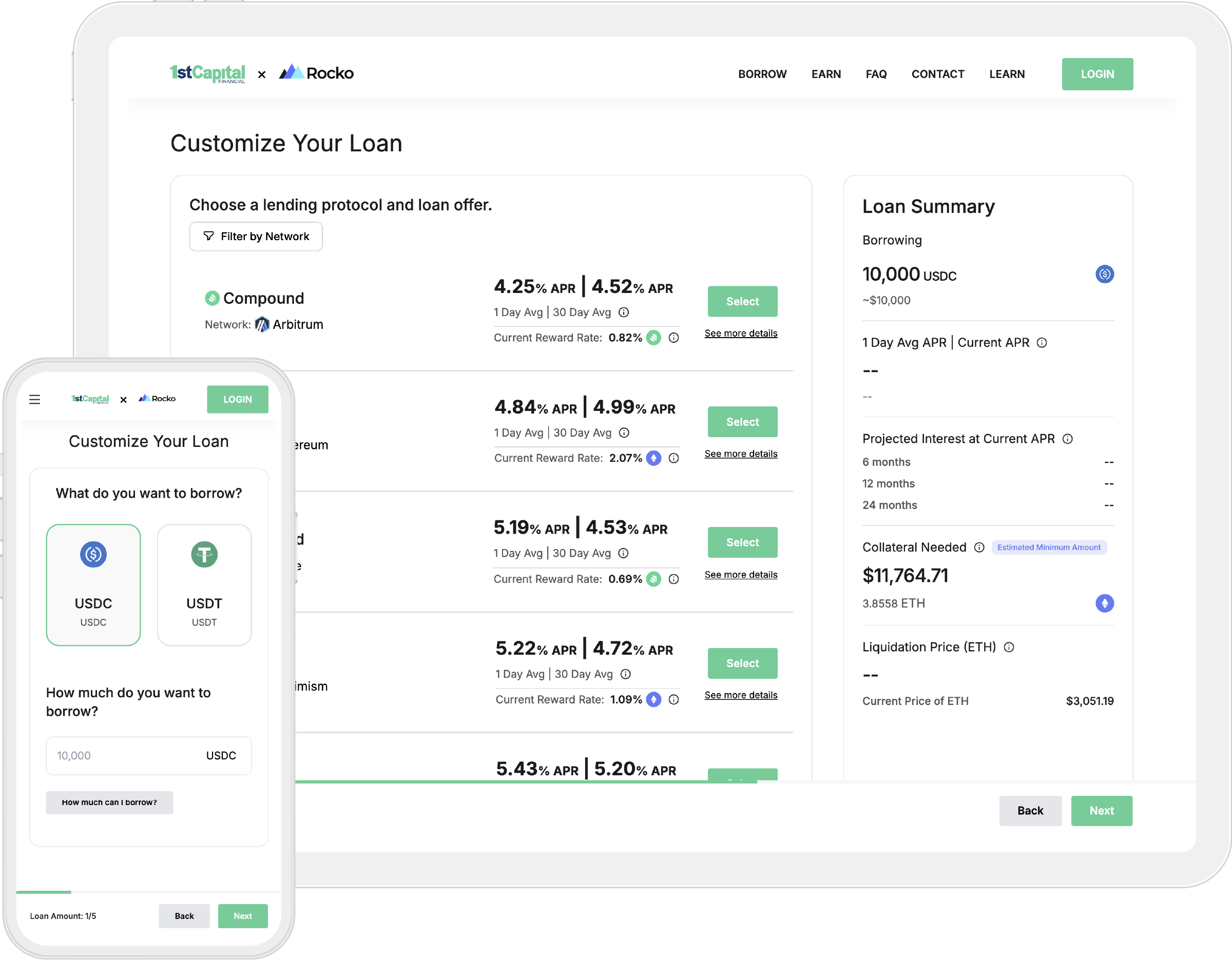
Before you finalize the transaction, you need to configure the specific parameters that dictate your loan's health and cost. This step is where you balance risk against liquidity by setting your Loan-to-Value (LTV) ratio and selecting the interest rate structure. Getting this right ensures you don't get liquidated prematurely or overpay for capital.
Choose your Loan-to-Value (LTV)
The LTV ratio determines how much of your collateral's value you can borrow. It acts as a safety cushion for the protocol; the lower your LTV, the less likely you are to face a liquidation event if the asset price drops. For example, an 80% LTV means you can borrow $80 for every $100 of collateral. While a higher LTV gives you more liquidity, it leaves less room for market volatility. Most major protocols cap initial LTVs between 50% and 80% depending on the volatility of the asset you are using as collateral. Stablecoins often allow higher LTVs than volatile assets like Bitcoin or Ethereum.
Select interest rate mode
DeFi lending protocols typically offer two interest rate modes: stable and variable. A stable rate locks your interest percentage for the life of the loan, providing predictable monthly payments but often starting at a higher base rate. A variable rate fluctuates with market supply and demand. If the market is flooded with borrowers, your rate will rise; if liquidity is abundant, your rate may drop. Choose a stable rate if you need budget certainty, or a variable rate if you expect to repay the loan quickly or believe rates will fall.
Compare protocol options
Different lending platforms have different risk models, collateral acceptance, and pricing structures. Use the table below to compare the typical parameters for two of the largest decentralized lending protocols, Aave and Compound, to see which aligns best with your strategy.
| Protocol | Typical Max LTV | Interest Rate Model | Best For |
|---|---|---|---|
| Aave | 50-85% | Stable or Variable | Wide asset variety |
| Compound | 50-80% | Variable only | Established blue chips |
Lock and confirm
Once you have set your LTV and interest rate, the protocol will display the final loan details, including the exact amount of debt you are taking on and the health factor. Review these numbers carefully. When you are satisfied, confirm the transaction in your wallet. This action locks your collateral in the smart contract and releases the borrowed assets to your wallet. Remember that this debt is now active and will accrue interest until you repay it.
Monitor health factor closely
Your loan stays active as long as your collateral value covers the loan amount with a healthy buffer. This buffer is measured by the health factor, a single number that tells you how close you are to liquidation. Think of it like a fuel gauge: if you ignore it, you might run out of tank just when you need to keep driving.
Most protocols require a health factor above 1.0. If the value drops below that threshold, the system can automatically seize and sell your collateral to repay the debt. This happens instantly on-chain, often at a premium price, meaning you could lose more than the loan amount itself. You are not notified in advance; the liquidation bot just executes.
Check your dashboard daily. If your health factor is below 1.5, add more collateral or repay part of the loan immediately. Never wait for a market crash to start worrying about your margin.
Repay loan or refinance position
Your exit strategy determines whether your onchain crypto loan ends in reclaimed assets or a forced liquidation. You generally have two paths: repay the loan early to unlock your collateral, or refinance to adjust terms if market conditions shift. Choosing the right exit requires checking your current LTV ratio and understanding the protocol’s specific repayment mechanics.
Repay to reclaim collateral
Repaying your loan is the standard exit. You transfer the borrowed stablecoin (plus accrued interest) back to the lending protocol. Once the debt is cleared, the smart contract automatically releases your locked collateral.
You can repay the full balance or make partial repayments to lower your LTV and reduce liquidation risk. Most protocols allow you to repay directly through their web interface or via their smart contracts. Check the protocol’s official documentation to confirm whether you need to approve the token transfer first.
Log into your wallet or the lending platform dashboard. Locate your active loan position and note the current LTV ratio. If your LTV is approaching the liquidation threshold (often 80-85%), prioritize repayment immediately to avoid forced asset sales.
Ensure you have the necessary stablecoins (like USDC or DAI) in your wallet to cover the outstanding principal and any accrued interest. Some protocols allow you to repay using the collateral itself, but this usually triggers a partial liquidation, which is not ideal if you want to keep your assets.
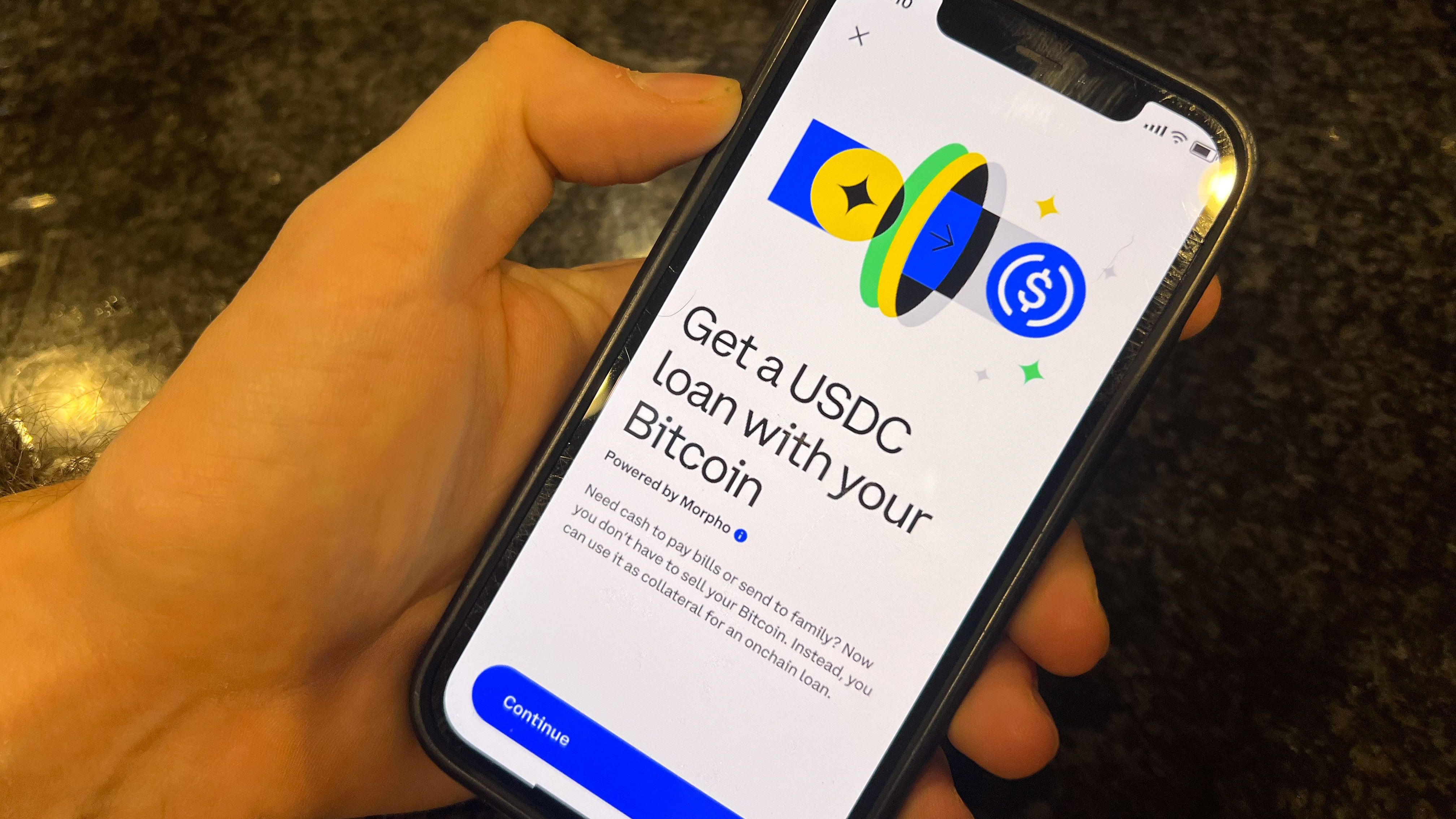
Navigate to the "Repay" or "Close Position" section of the protocol interface. Enter the amount you wish to repay. Review the transaction details, including gas fees and any slippage, then confirm the transaction in your wallet. Wait for the blockchain confirmation.
After the transaction is confirmed, refresh your position dashboard. Your collateral balance should increase, reflecting the release of your locked assets. You can now withdraw your crypto to a cold wallet or exchange as desired.
Refinance for better terms
Refinancing involves closing your current loan and opening a new one, typically to secure a lower interest rate or extend the repayment period. This is useful if interest rates have dropped or if your collateral’s value has increased, allowing for better loan-to-value ratios.
Some protocols offer built-in refinancing features, while others require you to manually repay the old loan and take out a new one. Always compare the total cost, including new interest rates and transaction fees, to ensure the refinance saves you money.
Common onchain loan: what to check next
Onchain lending uses smart contracts to match borrowers with liquidity providers, removing traditional banks from the equation. Instead of a credit check, you lock crypto assets as collateral in a decentralized protocol. If the value of your collateral drops below a set threshold, the contract automatically liquidates it to cover the loan. This process is transparent and happens without human intervention.
Borrowing against crypto lets you access cash without triggering a taxable sale event, which is often the primary benefit. However, it carries liquidation risk. If your asset's price falls sharply, you could lose your collateral faster than selling it outright. This strategy works best when you need short-term liquidity and are confident your collateral won't experience extreme volatility during the loan term.
Yes, XRP is widely accepted as collateral on many major decentralized lending protocols like Aave and Maple Finance. Because XRP is a mature, high-liquidity asset, lenders typically offer competitive LTV ratios, often around 50-60%. This means you can borrow roughly half the value of your XRP holdings in stablecoins or other cryptocurrencies.
Coinbase does not currently support using XRP as direct collateral for loans. While Coinbase offers crypto-backed loans, they primarily accept Bitcoin (BTC), Ethereum (ETH), and select stablecoins. If you specifically need to use XRP as collateral, you will need to use a decentralized finance (DeFi) protocol or a centralized lender that explicitly supports XRP, such as Nexo or Ledn.
No comments yet. Be the first to share your thoughts!