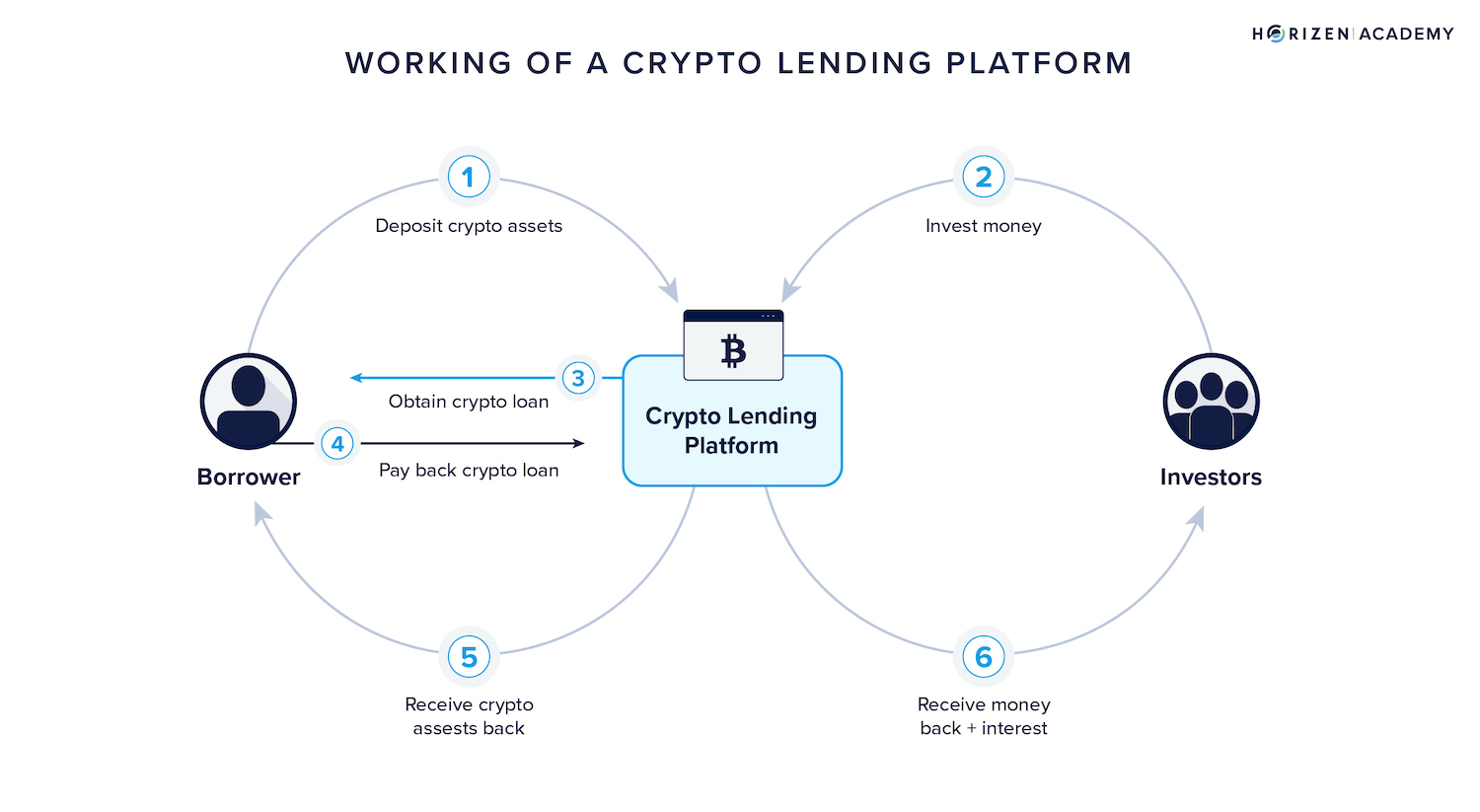
Onchain crypto loan strategy limits to account for
Building an onchain crypto loan strategy requires navigating the gap between theoretical yield and real-world execution. Unlike traditional finance, where credit scores and collateralized debt obligations provide standardized risk models, onchain lending relies on algorithmic overcollateralization and smart contract code. This structure offers speed and accessibility but introduces unique risks that define your strategy's ceiling.
The primary constraint is volatility management. Because loans are backed by crypto assets, a sharp market drop can trigger liquidation before you can react. Your strategy must account for liquidation thresholds, not just interest rates. Platforms like Morpho morpho.org operate as open credit networks, allowing lenders and borrowers to optimize rates through peer-to-peer matching, but this also means you are exposed to the creditworthiness of specific counterparties or the stability of the underlying protocol.
Liquidity is the second major hurdle. While major assets like Bitcoin and Ethereum offer deep liquidity pools, smaller altcoins may have thin order books. Borrowing against illiquid assets can result in wider spreads or difficulty exiting positions during stress events. Additionally, regulatory uncertainty looms over centralized entities like Coinbase coinbase.com/borrow, which may impose sudden restrictions on certain pairs or jurisdictions. A robust strategy prioritizes protocols with transparent audits and deep liquidity reserves to mitigate these operational risks.
Onchain crypto loan strategy choices that change the plan
Choosing an onchain lending protocol requires balancing three competing variables: cost, liquidity depth, and counterparty risk. Unlike traditional banking, where risk is managed by institutional underwriting, DeFi relies on over-collateralization and smart contract code. The "best" strategy depends entirely on which risk you are willing to absorb.
Interest Rate Structure
Fixed-rate loans, often found in private credit pools or dedicated lending markets, offer predictability but typically carry higher baseline rates. Variable rates, common in liquidity pool-based protocols like Morpho, fluctuate with supply and demand. In high-volatility markets, variable rates can spike, increasing your borrowing cost unexpectedly. For long-term holds, fixed rates provide stability; for short-term liquidity, variable rates may offer lower initial entry points.
Liquidation Thresholds and Health Factors
Every loan has a liquidation threshold, the collateral ratio at which your position becomes at risk of being sold off. A threshold of 80% means you must maintain collateral worth 125% of your loan. Tighter thresholds (e.g., 75%) offer higher leverage but increase liquidation risk during market dips. Looser thresholds (e.g., 90%) are safer but tie up more capital. Understanding the "health factor" metric in your dashboard is critical—it shows your real-time distance from liquidation.
Protocol Security and Smart Contract Risk
Open-source protocols like Aave or Compound have undergone extensive audit scrutiny and have larger treasuries for insurance. Newer or niche protocols may offer higher yields but carry untested smart contract risks. Additionally, some platforms use "oracles" to price collateral; if an oracle fails or is manipulated, it can trigger false liquidations or under-collateralized loans. Prioritize protocols with a proven track record and transparent governance.
Liquidity and Withdrawal Terms
Some platforms allow instant withdrawals of your collateral, while others impose lock-up periods or withdrawal queues. During market stress, liquidity can dry up, making it impossible to repay loans or withdraw assets without significant slippage. Ensure the platform you choose has sufficient depth in the specific asset pair you are trading.
| Tradeoff Factor | Primary Risk | Benefit | Best For |
|---|---|---|---|
| Variable Rates | Rate spikes during high demand | Lower initial borrowing costs | Short-term liquidity needs |
| Fixed Rates | Higher baseline interest | Predictable repayment schedule | Long-term collateralization |
| High Leverage | Rapid liquidation in volatility | Maximum capital efficiency | Active trading strategies |
| Low Leverage | Tied-up capital | Buffer against market swings | Conservative yield farming |
| New Protocols | Smart contract exploits | Higher incentive yields | High-risk tolerance investors |
| Established Protocols | Lower APYs | Audited security and liquidity | Institutional or large-scale loans |
Choose the right lending platform
Selecting a venue for your onchain crypto loan strategy requires balancing cost, liquidity, and control. The market splits into two distinct models: centralized exchanges offering simplified custody and decentralized protocols offering self-custody. Your choice depends on whether you prioritize ease of use or maximum yield potential.
Centralized exchange loans for simplicity
Centralized platforms like Coinbase Borrow streamline the borrowing process by handling custody and liquidation risk internally. This model suits users who want instant access to liquidity without managing smart contract interactions. Rates often start around 5.1% for stablecoin-backed loans, which is competitive for the initial draw period. However, you must trust the platform with your assets, introducing counterparty risk that does not exist in pure DeFi.
Decentralized protocols for yield and control
Decentralized lending protocols like Morpho allow you to maintain full ownership of your collateral while borrowing against it. These platforms aggregate liquidity from various lenders, often resulting in better rates than traditional DeFi lending pools. The trade-off is complexity: you must manage wallet security, understand gas fees, and monitor oracle prices to avoid liquidation. For experienced users, this path offers higher potential yields and greater privacy.
Evaluate liquidation thresholds carefully
Regardless of the platform, the loan-to-value (LTV) ratio determines your safety margin. A lower LTV means you can borrow less but are less likely to face liquidation during market volatility. Always calculate the liquidation price based on current asset prices and historical volatility. If your collateral is highly volatile, such as XRP or Ethereum, maintain a conservative LTV to protect your position from sudden price drops.
Watch for misleading yield claims
Many platforms advertise rates as low as 5% to attract borrowers, but these figures often exclude insurance fees, governance token requirements, or dynamic interest adjustments that kick in during market volatility. Always calculate the annual percentage rate (APR) including all mandatory fees, not just the base interest. A 5% base rate can quickly become 8-10% when you factor in the cost of maintaining over-collateralization and protocol fees.
Avoid weak collateral options
Not all crypto assets are created equal when it comes to borrowing power. Lending protocols assign different loan-to-value (LTV) ratios based on asset volatility. Borrowing against stablecoins like USDC typically allows for higher LTVs with lower liquidation risks compared to volatile assets like Bitcoin or Ethereum. If you are borrowing against XRP or other altcoins, expect stricter collateral requirements and higher interest rates due to their price instability.
Check protocol transparency
The best crypto loans come from platforms with verifiable onchain reserves and clear audit trails. Platforms like Morpho provide open credit networks where you can verify liquidity sources directly on the blockchain. Avoid opaque platforms that do not publish their risk parameters or reserve proofs. Transparency is your best defense against insolvency risks and hidden fee structures.
Common borrowing mistakes
Many borrowers fail to monitor their health factor, leading to unexpected liquidations. Set up automated alerts for collateral price movements and maintain a buffer above the minimum liquidation threshold. Additionally, avoid borrowing in volatile markets without a clear exit strategy. If the market drops sharply, your collateral could be liquidated before you can react, resulting in significant losses.
Onchain crypto loan strategy: what to check next
Before committing capital to an onchain lending protocol, it helps to understand the mechanics and risks involved. This section addresses the most common practical concerns regarding crypto-backed borrowing and onchain credit strategies.
No comments yet. Be the first to share your thoughts!