The onchain crypto loan market faces real limits to account for
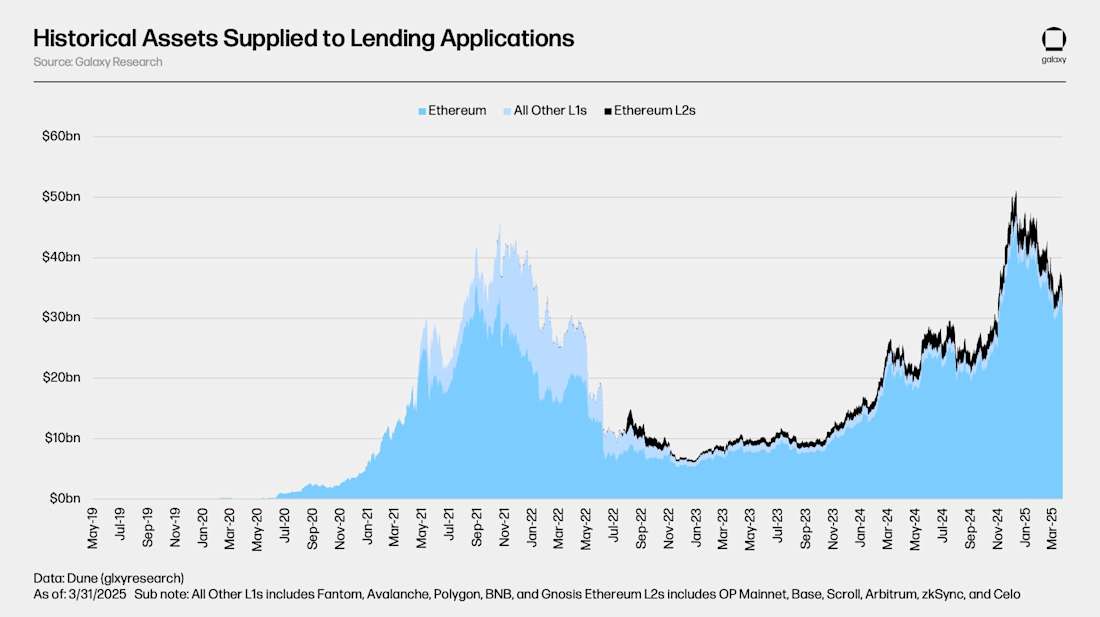
The onchain crypto loan market has rebounded from the bear market bottom of $1.8 billion in open borrows to reach all-time high levels by December 2024, driven by institutional adoption and improved DeFi infrastructure [1][2]. However, this growth masks significant structural constraints that limit accessibility and stability for the average user.
Liquidity remains fragmented across isolated protocols, forcing borrowers to choose between higher yields on niche platforms or lower rates on established giants. Smart contract risk persists despite audits, with exploits still claiming millions annually. Additionally, regulatory uncertainty in key markets like the USA creates compliance hurdles for platforms seeking mainstream adoption.
These constraints mean that while the market is growing, it is not yet a seamless alternative to traditional finance. Borrowers must navigate complex trade-offs between yield, safety, and regulatory compliance. Understanding these limitations is essential for anyone considering onchain crypto loans as part of a broader financial strategy.
Onchain crypto loan market choices that change the plan
Choosing an onchain lending platform requires weighing yield potential against smart contract risk and liquidation volatility. The market has shifted from pure speculation to utility-driven lending, with onchain lending usage reaching all-time highs in late 2024 as institutional adoption grows. However, most current platforms still cater primarily to crypto-natives, meaning the tradeoff often lies between higher yields on niche protocols versus the security of established infrastructure.
| Platform Type | Typical Yield | Primary Risk | Collateral Model |
|---|---|---|---|
| Major Lending Protocols | 3-8% | Smart Contract Bugs | Overcollateralized |
| Institutional OTC | 1-4% | Counterparty Default | Over/Under-Collateralized |
| Niche DeFi Pools | 8-15% | Impermanent Loss | Overcollateralized |
| Credit Score Loans | 5-10% | Model Accuracy | Under-Collateralized |
The core tradeoff centers on the collateral model. Overcollateralized loans are safer for lenders but require borrowers to lock up more value than they borrow, reducing capital efficiency. Newer platforms using onchain credit scores are attempting to bridge this gap by enabling under-collateralized lending, though these models introduce new risks related to credit scoring accuracy and oracle reliability. Borrowers must decide if the higher capital efficiency is worth the increased complexity and potential for sudden liquidation.
Liquidity is another critical factor. Major protocols offer deep order books and stable rates, but yields are often capped by the overall demand for borrowing. Niche pools may offer significantly higher returns to attract liquidity, but they can suffer from volatility in supply, leading to unpredictable borrowing costs. For long-term holders, the tradeoff is between locking assets in a high-yield, illiquid position or keeping them in a flexible, lower-yield vault that allows for quick rebalancing during market downturns.
Choose the next step
Onchain Crypto Loan Market Research works best as a clear sequence: define the constraint, compare the realistic options, test the tradeoff, and choose the path with the fewest hidden costs. That order keeps the advice usable instead of decorative. After each step, pause long enough to check whether the recommendation still fits the reader's actual situation. If it depends on perfect timing, unusual access, or a best-case budget, include a simpler fallback.

Avoid the weak options
Use this section to make the Onchain Crypto Loan Market Research decision easier to compare in real life, not just on paper. Start with the reader's actual constraint, then separate must-have requirements from details that are merely nice to have. A practical choice should survive normal use, maintenance, timing, and budget. If a recommendation only works in an ideal situation, call that out plainly and give the reader a fallback path.
The simplest way to use this section is to write down the must-have criteria first, then compare each option against those criteria before weighing nice-to-have features.
Onchain crypto loan market research: common: what to check next
Onchain lending has shifted from speculative activity to a core infrastructure layer. As Galaxy Research notes, open borrows have grown steadily since the bear market bottom, reaching all-time highs in late 2024 as institutional adoption accelerates.
Can you make money on Onchain?
Yes, through yield generation and arbitrage. Lenders earn interest from borrowers, while traders use loans for leverage or delta-neutral strategies. The market is projected to reach $25.06B by 2030, offering significant yield opportunities for capital providers.
Are crypto-backed loans a good idea?
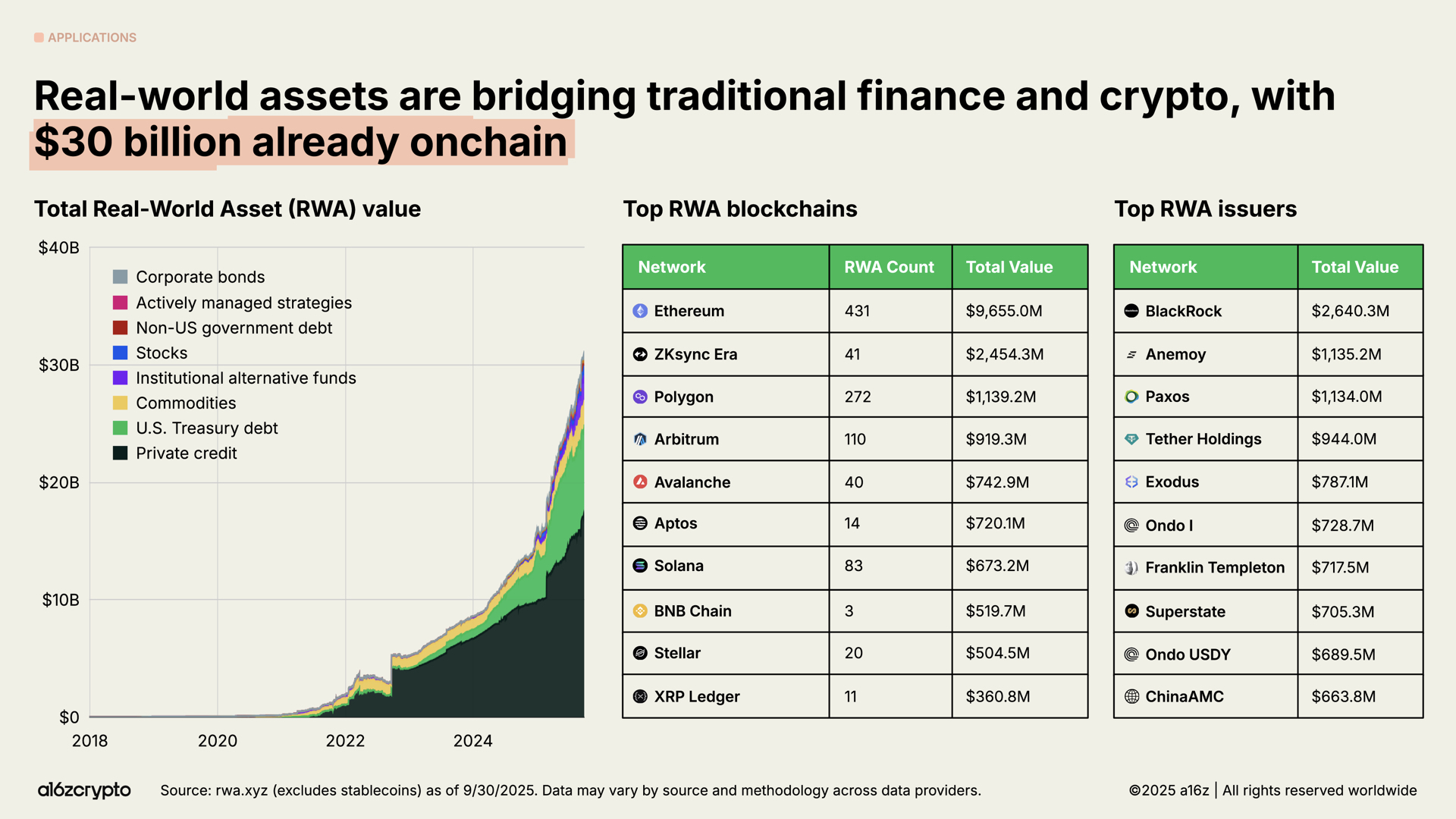
They offer liquidity without selling assets, preserving tax events and long-term exposure. However, they require careful collateral management. With rising tokenized real-world assets, these loans are becoming more utility-driven rather than purely speculative.
What happens if you don't pay back a crypto loan?
If the collateral value drops below the liquidation threshold, the protocol automatically sells your assets to cover the debt. This happens instantly and without warning. Failure to maintain collateral results in total loss of the deposited assets.
What are the best crypto loan platforms in the USA?
Leading platforms include Aave, Compound, and centralized exchanges like Coinbase and Kraken. These platforms offer varying interest rates, collateral options, and regulatory compliance. Always verify the platform’s insurance coverage and legal standing in your jurisdiction.
No comments yet. Be the first to share your thoughts!