What is onchain lending?
Onchain lending is the practice of borrowing and lending capital through blockchain protocols rather than centralized banks. It replaces traditional underwriting with smart contracts that hold collateral in escrow, automate interest payments, and liquidate positions when market conditions shift. This shift moves credit from relationship-based banking to code-based execution, allowing anyone with a digital wallet to participate in global liquidity pools.
To understand the mechanics, it helps to contrast onchain lending with traditional finance. In conventional banking, a lender assesses your creditworthiness based on income, assets, and credit history. The bank then holds your deposit and lends it out, taking on the risk that you might default. Onchain lending flips this model: you provide the liquidity (the deposit) and earn yield directly from borrowers, while the protocol manages the risk through overcollateralization. If the value of the collateral drops below a certain threshold, the smart contract automatically sells it to cover the loan, removing the need for a human loan officer to chase payments.
The evolution from early DeFi to today’s onchain credit strategies shows a clear trend toward sophistication. Early platforms like Compound or Aave focused on simple, algorithmic lending markets. Today, protocols are integrating more complex credit strategies, such as underwriting specific debt instruments or offering undercollateralized loans based on onchain reputation and cash flow. This maturation allows for more nuanced risk management and higher yield opportunities, though it also introduces new complexities that require careful navigation.
The primary advantage of onchain lending is accessibility and transparency. Every transaction is recorded on the blockchain, meaning the health of the protocol and the status of loans are visible to everyone in real time. This openness reduces the opacity that often characterizes traditional financial systems. However, this transparency comes with trade-offs, including smart contract risk and the volatility of crypto assets, which necessitates a different approach to risk management than traditional finance offers.
From Simple Lending to AI-Driven Structures
Onchain credit strategies have moved far beyond basic peer-to-peer lending pools. Early crypto lending was straightforward: you deposited collateral, borrowed against it, and paid interest. Today, the landscape involves complex, AI-driven asset management structures that underwrite risk and structure debt instruments via smart contracts Keyrock.
This evolution allows for onchain private credit, where users pool funds to deploy through offchain agreements Galaxy Research. These strategies are no longer just about yield farming; they are about creating structured debt instruments that can be traded, securitized, and managed algorithmically.
For high-net-worth investors and entrepreneurs, this shift offers a new way to access liquidity without selling digital assets. Instead of liquidating holdings for property purchases or business funding, they can borrow against them using these sophisticated onchain mechanisms.
The result is a hybrid financial system that combines the transparency of blockchain with the sophistication of traditional credit markets. AI algorithms now assess creditworthiness and manage risk in real-time, making onchain credit more efficient and accessible than ever before.
How AI Infrastructure Optimizes Onchain Yields
Onchain lending platforms are moving beyond static interest rate models. By integrating AI infrastructure, protocols can analyze vast streams of market data in real time to adjust loan terms, interest rates, and collateral selection dynamically. This shift allows borrowers to access more competitive rates while enabling lenders to maximize yield through smarter risk assessment.
The core advantage lies in speed and precision. Traditional lending models often rely on historical averages or fixed parameters that fail to capture sudden market volatility. AI-driven systems, however, process liquidity depth, borrowing demand, and asset correlation instantly. This enables platforms like Morpho to offer USDC borrow APYs as low as 4-5% on Ethereum, which is up to 2x lower than other crypto-backed loan options [[src-serp-2]]. Such efficiency is only possible when algorithms continuously rebalance supply and demand across pools.
For investors, this means better capital efficiency. AI tools help identify which collateral assets are currently undervalued or overleveraged, allowing for optimized collateral selection. Lenders can then direct capital to high-yield, low-risk pockets of the market that human analysts might miss due to information overload. The result is a more responsive lending market where yields are not left on the table due to sluggish manual adjustments.
This dynamic optimization also reduces the risk of liquidations. By predicting price movements and volatility spikes, AI can adjust loan-to-value (LTV) ratios preemptively. Instead of waiting for a margin call, the system tightens terms gradually as risk increases, giving borrowers time to rebalance. This proactive approach stabilizes the lending environment, making onchain credit more reliable for high-net-worth individuals and institutional players who require predictable liquidity.
Onchain vs. traditional loan options
The fundamental difference between onchain and traditional finance (TradFi) lending comes down to who holds the keys and how fast the money moves. In traditional banking, a loan is a legal contract between you and an institution. Your assets remain in their custody, and they decide whether to lend you money based on your credit score and income verification. This process is secure but slow, often taking days or weeks for approval and funding.
Onchain loans operate differently. Instead of a bank, you interact with smart contracts on a blockchain. You deposit your crypto as collateral directly into a protocol, and the loan is issued instantly. Because the collateral is locked in code, the risk of default is managed automatically through liquidation mechanisms rather than credit checks. This makes onchain lending particularly useful for high-net-worth investors or entrepreneurs who hold significant wealth in digital assets but need immediate liquidity for property purchases or business funding without selling their holdings.
To see the practical differences, here is a side-by-side comparison of how these two models typically handle the loan lifecycle.
| Feature | Onchain Loans | Traditional Loans |
|---|---|---|
| Approval Time | Minutes to seconds | Days to weeks |
| Collateral Custody | Locked in smart contract | Held by bank/lender |
| Credit Check | None required | Required (FICO, income) |
| Interest Rates | Market-driven (variable) | Bank-set (fixed/variable) |
| Transparency | Public ledger | Private records |
| Funding Speed | Instant | Days to weeks |
The efficiency of onchain infrastructure is evident in the speed and transparency of the process. As noted by Coinbase, when you take out a crypto-backed loan, USDC can be deposited into your account instantly while your crypto is moved onchain to serve as collateral. This immediacy allows borrowers to access capital without waiting for manual underwriting. However, this speed comes with different risk dynamics. While traditional loans offer lower rates for those with excellent credit, onchain loans provide access to capital for anyone with sufficient collateral, regardless of their traditional credit history.
Managing Risk in Onchain Lending
Onchain lending moves fast, but speed cuts both ways. When you borrow against crypto assets, you are trading liquidity for exposure to volatility and protocol risk. A sudden market dip can trigger a liquidation, while a smart contract vulnerability can drain a vault entirely. Navigating this space requires more than just watching the price; it demands a disciplined approach to collateral management and security.
Liquidation Risks and Overcollateralization
The most immediate threat to any onchain loan is the liquidation event. Lending protocols are designed to protect lenders by automatically selling your collateral if its value drops below a certain threshold, known as the health factor or collateral ratio. If the market moves faster than you can react, you may lose a significant portion of your assets to liquidation penalties. This is why overcollateralization is not just a suggestion—it is the fundamental safety mechanism of the system.
Smart Contract Security
Beyond market volatility, the code itself is the second line of defense. Onchain lending protocols are immutable once deployed, meaning bugs or exploits can have irreversible consequences. While major protocols undergo rigorous audits, no code is entirely immune to exploits. Relying on established, battle-tested platforms with large total value locked (TVL) reduces, but does not eliminate, this risk. Always verify the contract address and ensure you are interacting with the official protocol interface.
AI-Driven Risk Assessment
AI is increasingly used to monitor these risks in real-time. Advanced risk management tools can analyze onchain data to predict liquidation probabilities and detect anomalous activity before it escalates. These tools provide early warnings, allowing borrowers to add collateral or repay debt proactively. Integrating AI-driven monitoring into your lending strategy transforms reactive panic into proactive management, giving you a clearer view of your exposure in a volatile market.
Build your onchain crypto loan strategy
Building an onchain crypto loan strategy requires moving beyond simple deposits to active position management. You need to select the right lending protocol, understand your liquidation risks, and monitor your collateral in real time. This process is less about passive holding and more about active capital allocation.

Start by selecting a platform that matches your risk tolerance. Centralized exchanges like Coinbase offer convenience, often routing collateral to protocols like Morpho for efficiency. For those seeking higher yields, decentralized finance (DeFi) protocols like Aave or Compound provide direct onchain access but require more manual oversight. Compare interest rates and liquidity depth before committing.
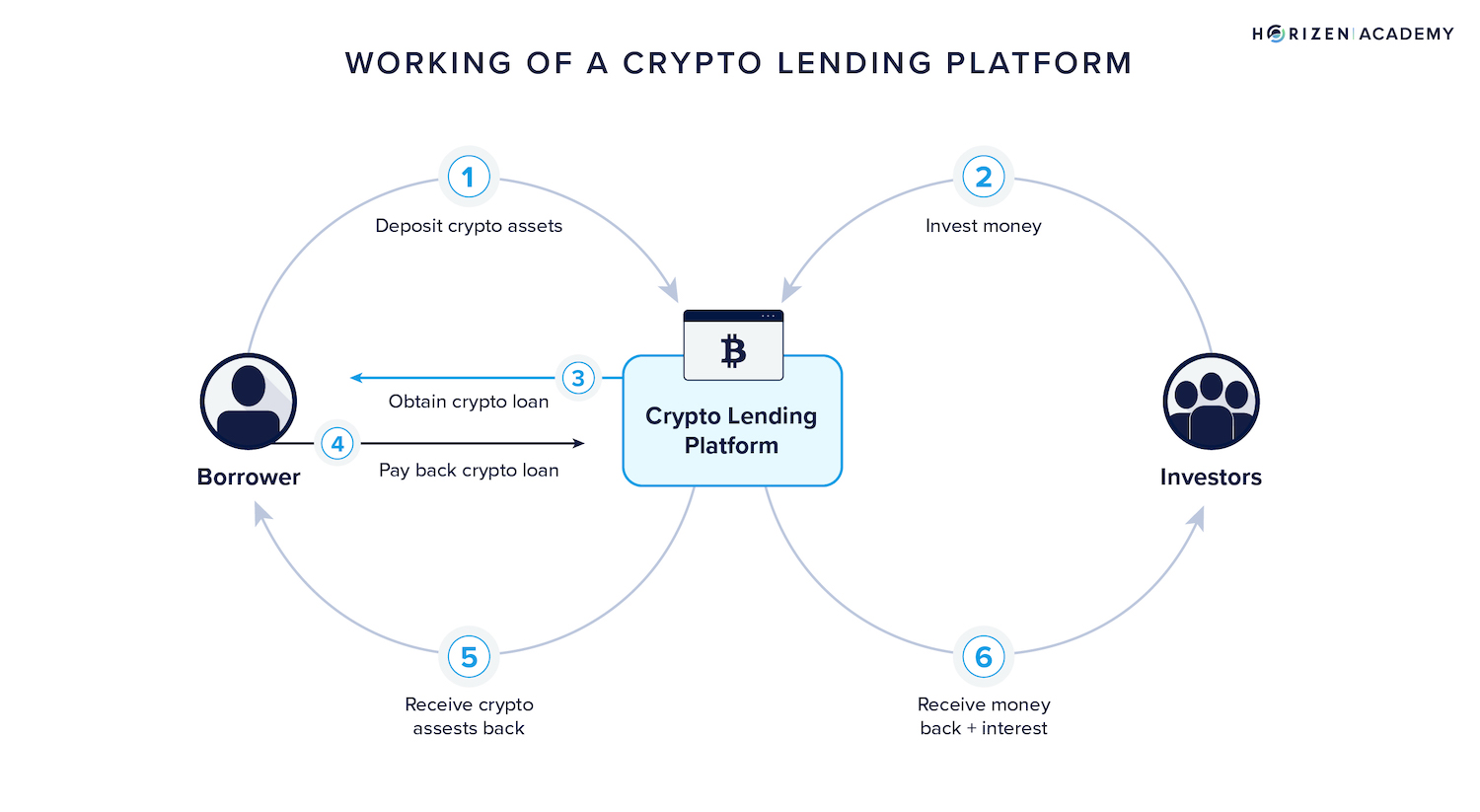
Never borrow without knowing your liquidation price. Calculate your Loan-to-Value (LTV) ratio carefully. If your collateral drops below the protocol’s threshold, you risk losing assets. Keep a buffer—aim for an LTV well below the maximum allowed to absorb market volatility without triggering an automatic sale.
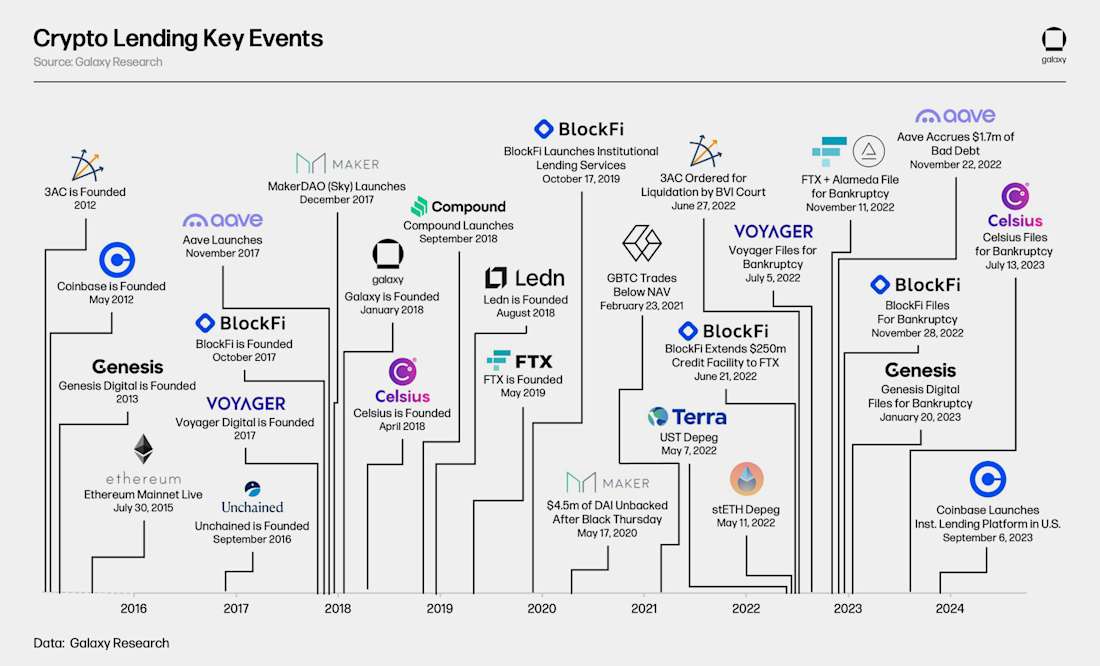
Use provider-backed tools to track your position. Integrate a TechnicalChart to visualize your collateral’s price action against your liquidation line. Static price checks are insufficient for volatile assets; real-time data ensures you can add collateral or repay debt before a margin call occurs.
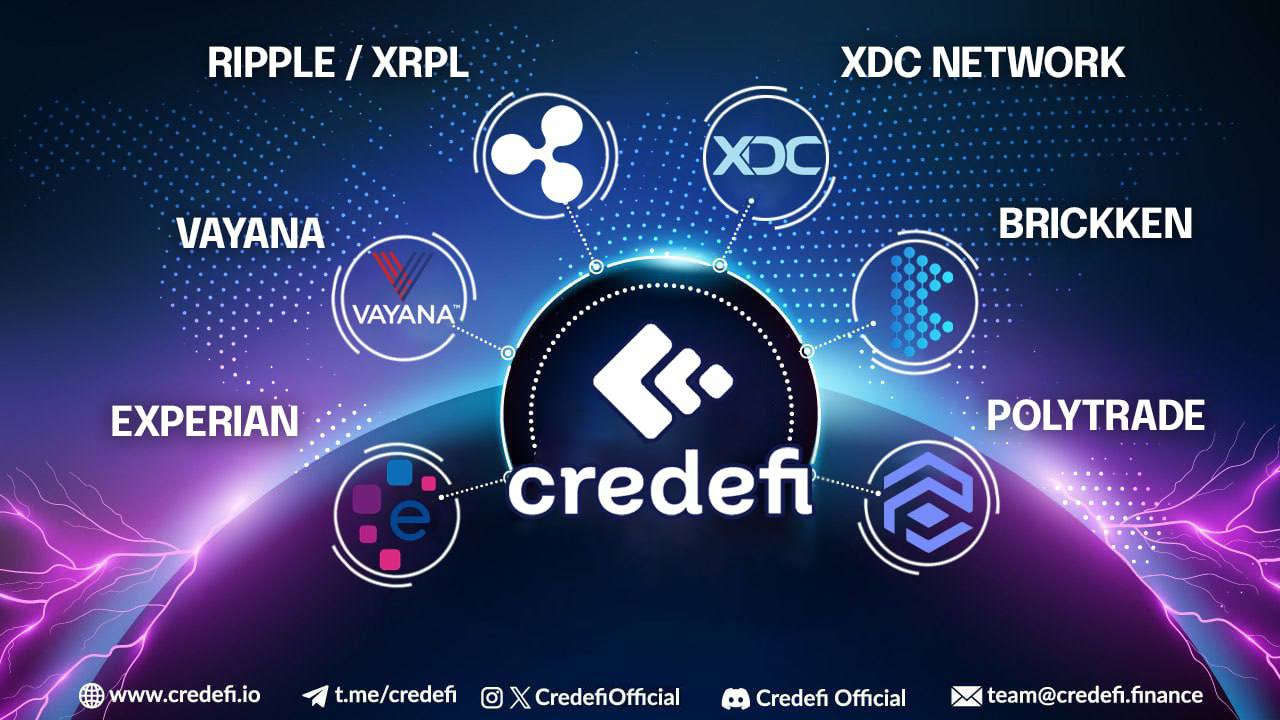
Leverage AI infrastructure to monitor market shifts. Set up alerts for price movements or protocol governance changes. AI-driven dashboards can help you rebalance your portfolio automatically, ensuring your onchain crypto loan strategy remains aligned with your yield goals and risk parameters.
Implementing this workflow turns borrowing into a strategic lever rather than a last resort. By combining careful platform selection with real-time monitoring, you can access liquidity while maintaining control over your digital assets.
No comments yet. Be the first to share your thoughts!